
Petros multifuel station in Batu Kawa on track to start operations soon — SEDCE
KUCHING (June 22): The Petros Multifuel Station (MFS) Batu Kawa, the second flagship station equipped with hydrogen supply and 11th station in Sarawak, is on track to being operational soon. Deputy Premier Datuk Amar Dr Sim Kui Hian in a recent visit to the site was briefed on its progress and features by the Sarawak Economic Development Corporation Energy (SEDCE) team. “The physical structure of the MFS is fully completed, and the team is working closely with the regulatory authorities before the station can be operated,” said SEDCE in a statement. MFS Batu Kawa is the second flagship station after MFS Darul Hana, which is designed for conventional fuels, fast EV chargers and hydrogen dispensing. It will be getting its hydrogen supply from MFS Darul Hana, where the onsite hydrogen plant with 150kg production capacity is located, and the hydrogen supply will be transported via tube trailers where Mobile Hydrogen Refuelling System will be used for dispensing the molecules. This distribution model will be the first of its kind in the region. Earlier this year, SEDCE appointed Koperasi Bomba & Penyelamat Malaysia (KOBOPEM) as the operator for MFS Batu Kawa, which aims to support the cooperative as sustainable income stream for its members. SEDCE is responsible for developing the hydrogen value chain and downstream retail oil and gas business in Sarawak under the brand name Petros MFS. To date, there are 10 fully operating stations namely MFS Darul Hana (Jalan Tun Salahuddin), MFS Daro (Jalan Matu-Daro), MFS Kanowit (Jalan Kubu), MFS Kuala Matu (Jalan Daro–Kuala Matu), MFS Brooke Drive (Sibu), MFS Selangau (Pan Borneo-Selangau), MFS Tatau (Pan Borneo Tatau), Kapit (Jalan Bleteh), MFS Sungai Asap (Jalan Bintulu-Bakun), MFS Jepak (Kampung Jepak). SEDCE said with the completion of MFS Darul Hana and MFS Batu Kawa, four more flagship MFS are in the pipeline namely Sri Aman, Sibu, Bintulu and Miri, with construction for Bintulu (Jalan Sultan Iskandar) scheduled to begin in the second half of this year. These flagship MFS are designed to form the backbone of Sarawak’s hydrogen refuelling network along its main cities. In comparison, non-flagship or standard MFS provide conventional fuels and EV charging facilities. Meanwhile, it said three MFS are currently under construction, and more than 40 sites are being processed for construction across Sarawak. Upon completion, these stations will also provide a network of EV charging facilities on top of conventional fuel to its customers. Source
Sarawak gives green light to 450 applicants under S-MM2H
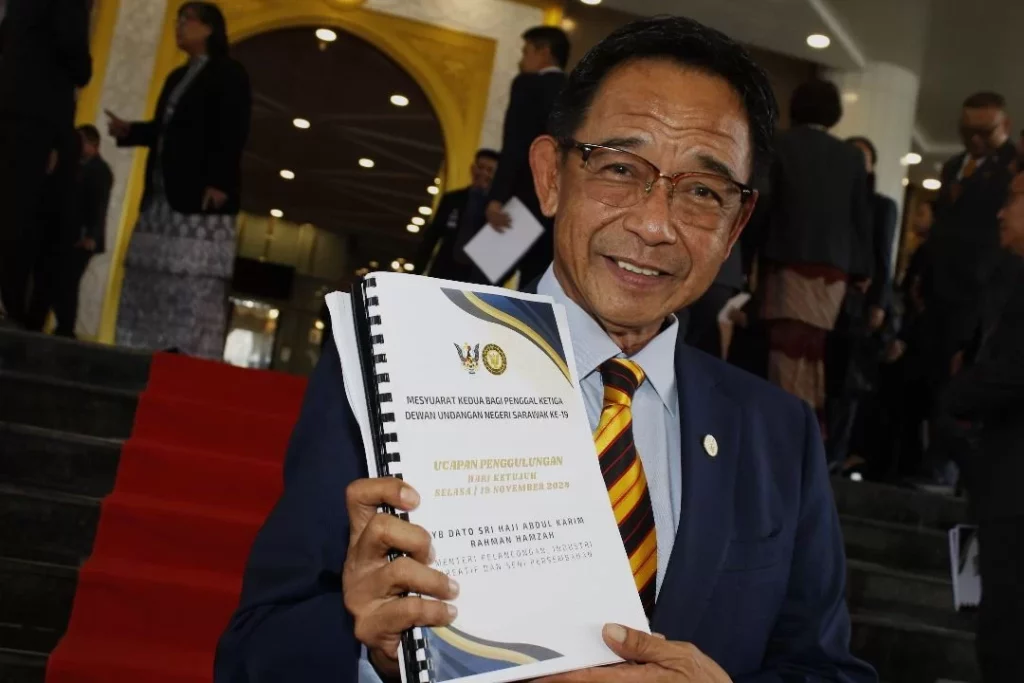
SARAWAK has approved 450 applicants for the Sarawak-Malaysia My Second Home (S-MM2H) Programme with Fixed Deposits (FD) placement of RM90 million in Sarawak local banks as of October this year. Tourism, Creative Industry and Performing Arts Minister Datuk Seri Abdul Karim Rahman Hamzah said that since his ministry took over the S-MM2H programme from Sarawak Immigration Department in 2020, a one-stop panel has been set up to approve and expedite all S-MM2H applications. “From 2007 to 2019, there was only a total of 1,240 participants approved whereas from 2020 to October 2024 under the ministry’s panel committee, there was a substantial total of 1526 participants,” he said in his ministerial winding-up speech today (Nov 19). Abdul Karim further said from 2007, the top applicants for the S-MM2H programme were from China with 408 applicants, United Kingdom (355), Taiwan (265), Hong Kong (260) and the United States of America (216). The Ministry of Arts and Culture (MoTAC) via Commissioner of Tourism has delegated authority under the Tourism Industry Act 1992 [Act 482] and its subsidiary laws to the Permanent Secretary of Ministry of Tourism, Creative Industry and Performing Arts Sarawak according to subsection 4(2) of Act 482 effective Nov 1, 2024 which applies to S-MM2H program in Sarawak through the letter of commission dated Oct 30, 2024, he added. “This represents a significant achievement for my ministry in further expanding the function of the current S-MM2H One Stop Centre to not only processing applications but also licensing of S-MM2H agents,” he said. He also said that his ministry had carried out a lab with S-MM2H panel committee members, which consisted of representatives from MOTAC Sarawak, Immigration Department of Malaysia, Sarawak; State Attorney- General’s Chambers; Sarawak State Health Department; Sarawak Immigration and Labour Management Unit; Sarawak Security and Enforcement Unit; and Royal Malaysian Police to finalise the latest requirements for S-MM2H programme application and guidelines to the licensing application for S- MM2H agents. “A roundtable discussion was also held with all the S- MM2H agents on Sept 5 at The Waterfront Hotel, and subsequently, it was approved by the Cabinet on Oct 24,” he said. He added the S-MM2H programme has been improved and adapted from MoTAC’s new MM2H requirements. Abdul Karin urged those interested to refer to the Tourism, Creative Industry and Performing Arts’ website at mtcp.sarawak.gov.my for the new requirements for S-MM2H applications and licensing of S-MM2H agents. “This enhancement will take effect from Jan 1, 2025,” he said.
Julaihi: Petros’ role as sole gas aggregator non-negotiable, all parties must comply with law

KUCHING (Nov 13): Petroleum Sarawak Berhad’s (Petros) appointment as the state’s sole gas aggregator is non-negotiable, said Minister of Utility and Telecommunication Dato Sri Julaihi Narawi. He stressed that the Distribution of Gas Ordinance 2016, amended in 2023, is a law that seeks to ensure all parties, including Petroliam Nasional Berhad (Petronas), comply with the licensing requirements set out. “The Sarawak government, through Petros, is still in technical discussions with Petronas to ensure compliance with all requirements under the Ordinance. “These discussions between Petros and Petronas do not involve any negotiations on Petros’ appointment as the sole gas aggregator. “Therefore, I would like to emphasise once again that the appointment of Petros as the sole aggregator is non-negotiable, meaning no other gas aggregator exists in Sarawak except Petros,” he stressed during the question-and-answer session at the State Legislative Assembly (DUN) today. He was responding to a question from Lidam Assan (GPS-Katibas) on whether the appointment of Petros as the sole gas aggregator for Sarawak was fully completed, which was also asked by Safiee Ahmad (GPS-Daro), Royston Valentine (GPS-Tellian), and Iskandar Turkee (GPS-Jepak). “Therefore, I will address all these questions together. The appointment of Petros as the sole gas aggregator is effective from Feb 1, 2024. “There are no other gas aggregators in Sarawak except Petros,” he said. Julaihi added that the latest developments in Petros’ role as the sole gas aggregator in Sarawak include several Gas Sales Agreements (GSAs) which have been signed with downstream gas users including Sarawak Petchem Sdn Bhd on July 22, 2024; Sarawak Energy Berhad on July 22, 2024; and Shell MDS Sdn Bhd on Aug 18, 2024. He said the Ministry of Utility and Telecommunication has issued Retail of Gas licences to 13 upstream gas players and 10 downstream gas players to date. “Failure to comply with the licensing requirement is an offence under Section 20 of the Ordinance,” he said. As the sole gas aggregator, he explained that Petros, a Sarawak government-owned company, is responsible for carrying out all activities related to the procurement, supply, distribution, and sale of natural gas in the state. He said Petros is also accountable for the planning, development, operation, and maintenance of the natural gas distribution network system in Sarawak.
Dr Jerip: Consultants to be appointed for Trans-Borneo Railway feasibility study
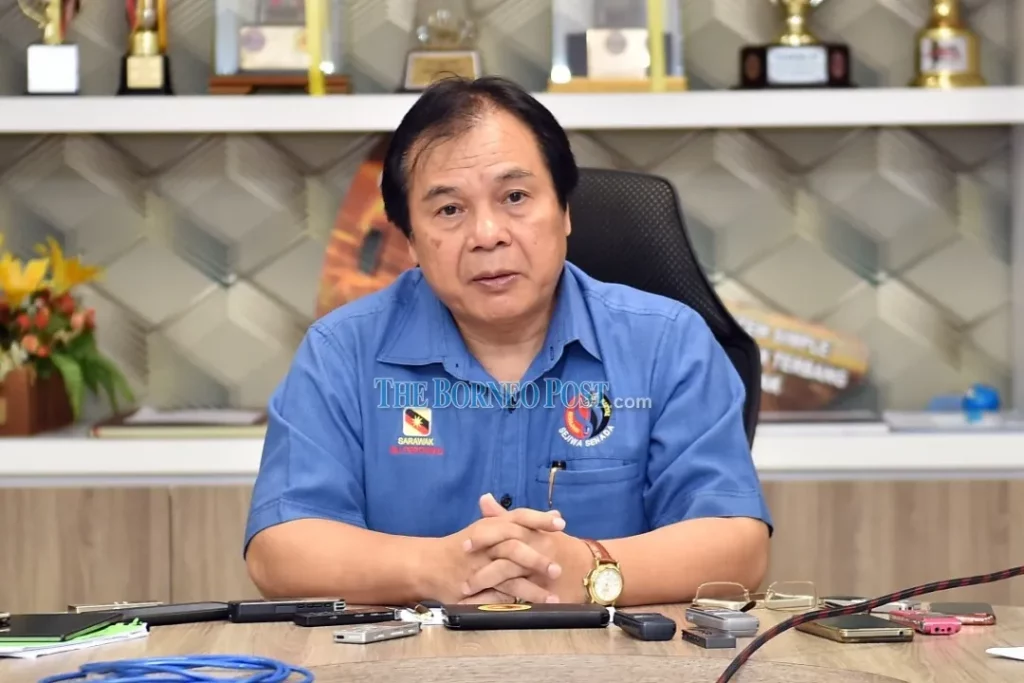
KUCHING (Nov 13): The federal Ministry of Transport is currently in the process of appointing consultants for the feasibility study of the Trans-Borneo Railway project, said Datuk Dr Jerip Susil. The state Deputy Transport Minister said these consultants will conduct the study, funded by the federal government, to evaluate and determine the potential railway models for implementation in Sarawak and Sabah. “The financial models of the Trans Borneo Railway, which are part of the feasibility study scope, will be determined once the feasibility study is completed. “The duration of this feasibility study project will take 12 months,” he said during the question-and-answer session at the State Legislative Assembly (DUN) Sitting here this morning. He was responding to a question from Baru Bian (GPS-Ba Kelalan) on the proposed Trans-Borneo Railway project. Dr Jerip said the Ministry of Transport Sarawak will be representing the Sarawak government on both the technical and steering committees, collaborating with its federal counterpart, relevant federal agencies and statutory bodies, and the Sabah government to coordinate and oversee the study. “Other committee members from the Sarawak government include representatives from the Sarawak Economic Planning Unit, Ministry of Infrastructure and Port Development, Public Works Department Sarawak, Ministry of Natural Resources and Urban Development, and the Land and Survey Department Sarawak,” he added. He said among the scopes of the feasibility study include the technical scope, which involves operational characteristics, cost, alignment, stations and depot locations, and stakeholder management; and commercial scope involving strategic vision and value proposition, demand estimation, high-level implementation model, risk and challenges, and stakeholder engagement. “There is also the socio-economic scope involving economic case for Trans Borneo Railway Project, national economic and social impact, catalytic impact of transit nodes, high-level narratives and stakeholder engagement; and project funding where the scope is to propose project funding or financing structures, phased payment approach by Government of Malaysia, financial model, and benchmarking with other rail operators,’’ he said.
RM321 mln Batang Rajang Bridge to be completed by March 2025

By DayakDaily Team SARIKEI, Nov 8: The RM321 million Batang Rajang Bridge is expected to be fully completed by March next year, two months ahead of schedule. Deputy Premier of Sarawak, Datuk Amar Douglas Uggah Embas, who is also the Minister of Infrastructure and Port Development (MIPD), expressed his satisfaction with the project’s progress during a stitching ceremony for the bridge at the site today. “This project marks a milestone that will drive regional connectivity,” he said as quoted by Sarawak Public Works Department (JKR) in a Facebook post today. The bridge is expected to reduce dependence on the existing Sibu-Tanjung Manis Road and provide a shorter route between these areas. The bridge’s completion will see a reduction in the journey between Sarikei and Tanjung Manis from 122 kilometres (km) to 53km with travel time cut short from 2 hours and 30 minutes to 45 minutes. Meanwhile, for the journey from Bintangor to Tanjung Manis, the travel distance will be reduced from 108km to 60km, cutting down the travel time from two hours to one hour only. Also present were Deputy Minister for Urban Planning, Land Administration and Environment Datuk Len Talif Salleh, who is also Kuala Rajang assemblyman; MIPD permanent secretary Datu Chew Chee Yaw; Pakan assemblyman Tan Sri William Mawan Ikom; Meluan assemblyman Rolland Duat Jubin; Sarikei Resident Datu Michael Ronnie Langgong and Sarawak JKR acting director Wisil Lichok. DayakDaily
Awg Tengah: Talent devt across various sectors vital in ensuring Sarawak’s status on global platform
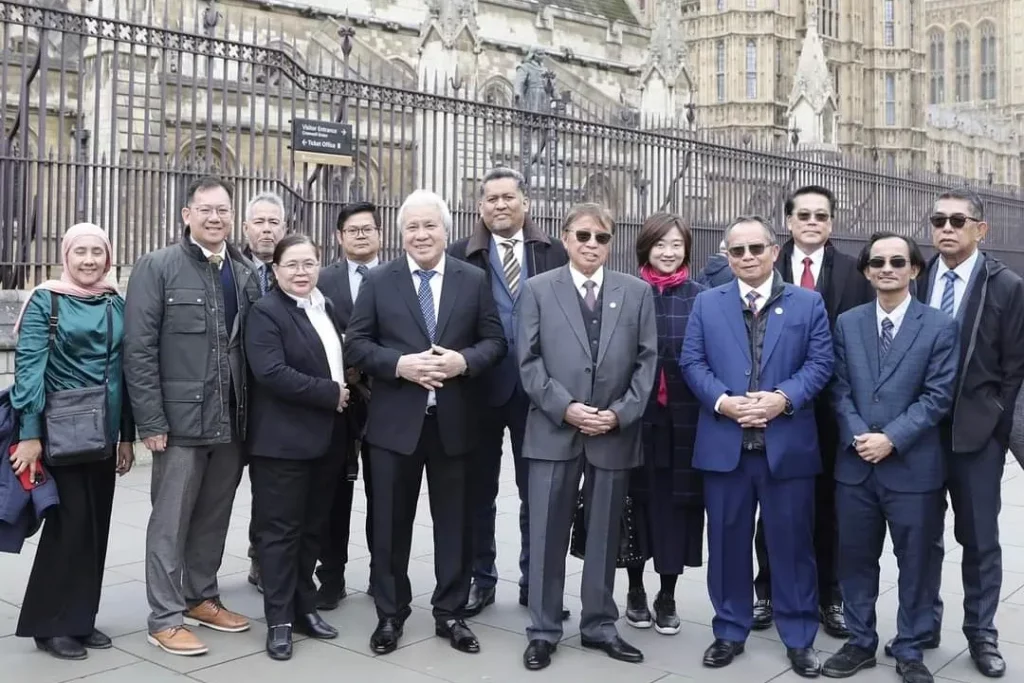
KUCHING (April 24): Sarawak is looking into developing talents in the design of semiconductor products using silicon, germanium and gallium arsenide, says Deputy Premier Datuk Amar Awang Tengah Ali Hasan. He was cited by Sarawak Public Communications Unit (Ukas) in a report as saying that this could be achieved by enhancing collaboration with industry players in the UK. “Talent development in various sectors for the people of Sarawak is important to ensure Sarawak’s position in the global platform. “Sarawak designers are capable of being on par with international designers, given that there are now foreign companies that have bought semiconductor products produced in Sarawak,” said Awang Tengah, who is part of the Sarawak delegation led by Premier Datuk Patinggi Tan Sri Abang Johari Tun Openg in a working visit to the UK. They inspected the advanced technology employed at the Drax Power Station and oversaw the signing of a memorandum of understanding between Sarawak Microelectronics (SMD) Semiconductor and UK-based CSA Catapult. The delegation is now in Poznan, Poland where the Premier is set to present Sarawak’s role in renewable energy security, decarbonisation, and environmental sustainability at the Central European Hydrogen Technology Forum. On another matter, Awang Tengah, who is also the Second Minister of Natural Resources and Urban Development, said Samalaju High Tech Park remained one of the good locations for foreign companies to come and establish their companies with a workforce made up of local residents, and it could also be used as a place where talent development could be forwarded. On biomass technology, Awang Tengah – also the Minister of International Trade, Industry and Investment Sarawak – said the visit to the Drax Power Plant in Leeds in the UK, was very fruitful and significant because it showed the delegation present how wood pellets were used to generate clean energy in the United Kingdom. “In this regard, a local company like Samling has exported wood pellets to foreign countries for that purpose. “Therefore, we have the potential to develop technology using wood pellets to generate energy in the near future,” he said.
Sarawakians can apply for carbon trading licences online from December
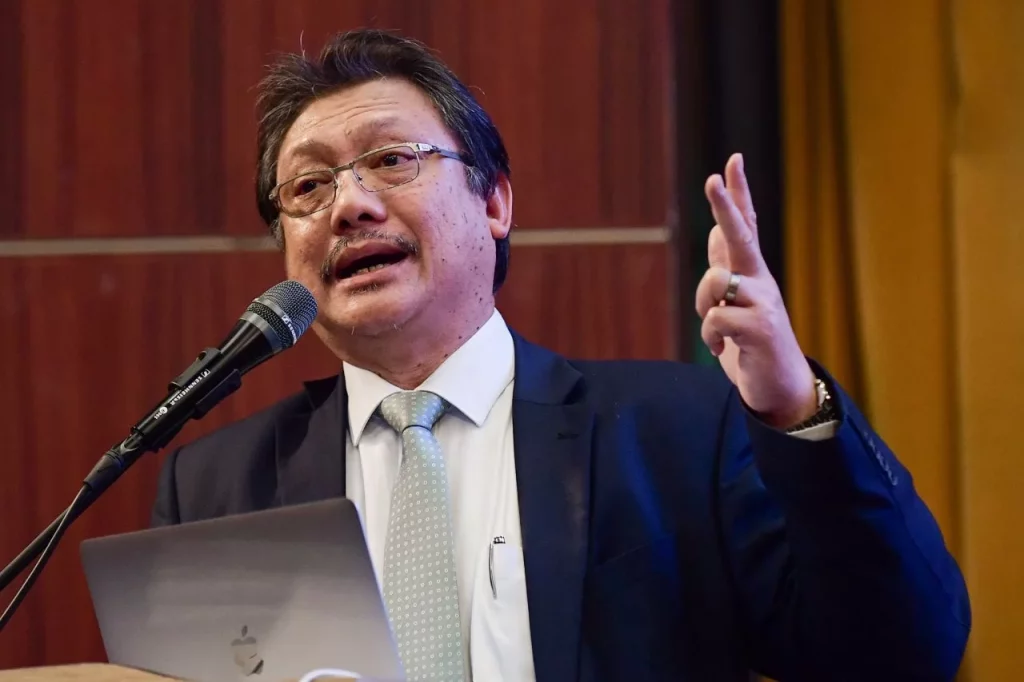
KUCHING: Sarawakians can now participate in carbon trading, with online licence applications opening in December. Deputy Minister of Energy and Environmental Sustainability Datuk Dr. Hazland Abang Hipni, said that those with at least 100 hectares of land can apply for a carbon trading licence. He said the eligible land must be privately owned with a grant or be surveyed as Native Customary Rights (NCR) land. “Carbon trading offers a new income source for the people. Licences can be obtained through our ministry. “We also permit smaller land parcels to be combined to meet the 100-hectare requirement, subject to certain conditions. “All relevant information will be available by December. Online applications will open then, with applicable fees and so on,” he said when officiating at the Sarawak Lestari ‘Keterangkuman’ Seminar at Pustaka Sarawak today. In addition to being taxed, Dr. Hazland noted that registered landowners will face restrictions, including a prohibition on tree cutting according to a set cycle. For the first cycle, trees in the licensed area cannot be cut for 30 years. He urged Sarawakians, especially villagers, to engage in this nature-based climate solution. “This is an easy way for people to contribute to climate solutions. Just plant trees. “If global carbon emissions are not addressed, by 2050, the temperature increase will be much higher, causing irreversible damage to the planet. “The 17th Sustainable Development Goal (SDG) – partnership for the goals, is crucial. We all must play our part,” he said.
Integrate ESG principles into economic, industrial policies for business sustainability, says S’wak deputy minister
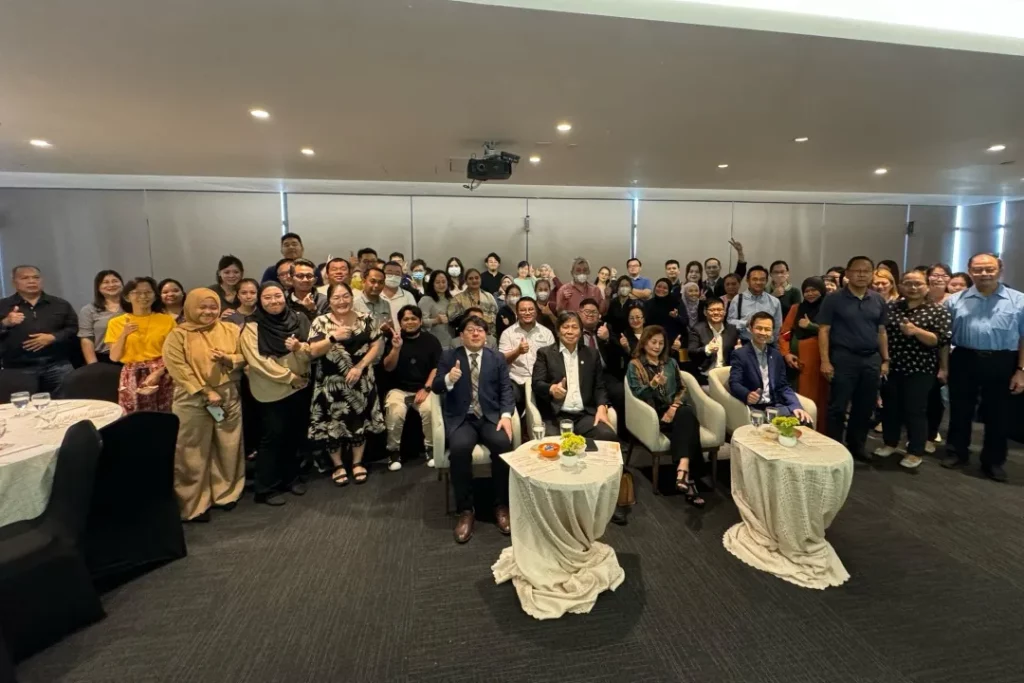
MIRI (May 28): Integration of Environmental, Social and Governance (ESG) principles by the Sarawak government into its economic and industrial policies underscores the emphasis on sustainable development and responsible governance, said Datuk Dr Malcolm Mussen Lamoh, Deputy Minister of International Trade, Industry and Investment (Mintred). Speaking at the Environmental, Social and Governance Training workshop here today, he said this commitment fosters an environment where businesses can thrive while adhering to high standards of ESG compliance, embedding these principles into the fabric of Sarawak’s industrial and commercial activities. He noted that Sarawak is rapidly becoming a magnet for foreign investors, with notable expansion projects and substantial investments underway in the state, and Sarawak’s journey towards ESG compliance is aligned with the global shift towards sustainability. “We must recognise that our local actions have global implications. By adopting and adhering to ESG principles, Sarawak can set a benchmark for other regions and states, showcasing that economic development and environmental sustainability can go hand in hand,” he said, adding this resonates with Sarawak’s Post-Covid Development Strategy (PCDS) 2030 roadmap to become a thriving, resilient and sustainable region, emphasising innovation, inclusivity and environmental stewardship. Furthermore, Sarawak’s dedication to sustainable development has attracted global attention, garnering favourable ratings from respected international rating agencies such as Standard and Poor’s and Moody’s Investor Services. These endorsements, he pointed out, validate Sarawak’s strategy to attract high-quality investments and drive large-scale development, all while adhering to ESG principles. In addition, it has implemented robust policies and procedures to ensure transparency, integrity and good governance, with a strong focus on improving the ease of doing business in accordance with ESG principles. One of the steps taken by Mintred is training workshops which serve as a platform to equip industries and stakeholders with the knowledge and tools necessary to implement effective ESG strategies so that businesses remain competitive and sustainable in the global market, he said. He commended the organisers, InvestSarawak, who have been working closely with his ministry, UN Global Compact Network Malaysia and Brunei (UNGCMYB) and Alliance Bank for holding this significant event in Miri. He said the support of speakers, participants, business chambers and associations underscored their collective dedication and commitment to this cause. “Your efforts are crucial in driving the ESG agenda forward and ensuring that Sarawak remains at the forefront of sustainable development,” he added.
Miri sets up command centre as partof smart city initiative
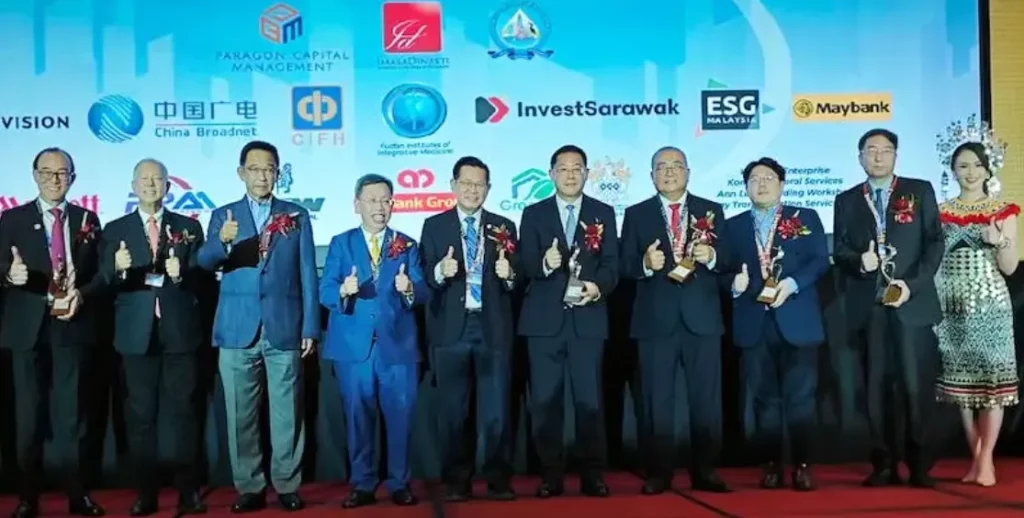
Miri, May 29: Miri City is now embarking on the second phase of the Smart City Initiatives which will include the Miri City Command Centre, expansion of Safe Park and Safe City Initiatives and further digitisation of Miri City Council processes and documentation.Unveiling this, Miri City Council (MCC) mayor Adam Yii said Miri City is fortunate that it was selected as the pioneer city for the Smart City Initiatives by Sarawak government on Jan 30, 2020 and a total of 10 smart applications have been successfully implemented under Phase 1 of the Miri Smart City Initiatives so far. He said Miri City presently has a population of about 350,000, and a land size of about 5,200 sq km.“To put the land size in perspective, Miri City is about 7 times the size of Singapore since the land size of Singapore is about 734.3 sq km,” said Yii at the Kenyalang Smart City Summit organised by Imasa Dinasti Sdn Bhd, the developer of Kenyalang Smart City (KSC) Development. The event attracted over 50 local and international investors from the Middle East and Asia, including the Republic of China, Australia, Singapore, Indonesia and Malaysia with the purpose to learn more about Kenyalang Smart City Development and associated investment opportunities. “Miri City is in dire need of a proper convention centre in order to host bigger events. Therefore, the convention centre included in the Kenyalang Smart City Development Project is much welcomed,” said Yii.For the foreign guests, Yii who is also Pujut assemblyman, gave a short historical account of Miri City.Miri City came to existence basically when oil was found, developed and produced in 1910 by Shell with the first well drilled on top of the Canada Hill. The hill was named Canada Hill by the local people, because the first drillers working there were Canadians. Due to its historical significance, the Grand Old Lady and a petroleum museum were erected on the site. Miri from then on developed from a small fishing village to what it is now, and has been commonly known as the “oil town”. “Interestingly, Shell as an oil company also has its origin in Miri. Shell was a trading company before it became an oil company,” said Yii. During WWII, the first point of landing by the Imperial Japanese Army on the island of Borneo was also in Miri where the objective was to take over the oilfields of Miri. “And due to the presence of a sizable community of expatriates and their families working and living in Miri since the discovery of oil, Miri has a much more cosmopolitan character as compared to other places in Sarawak,” said Yii. Also present were Deputy Premier Dato Sri Dr Sim Kui Hian, Tourism, Creative Industry and Performing Arts (MTCP) Minister Dato Sri Abdul Karim Rahman Hamzah, Transport Minister Dato Sri Lee Kim Shin, Deputy MTCP Minister Datuk Sebastian Ting and other dignitaries. – DayakDaily
Abang Johari: New Kuching International Airport modelled after Hamad International Airport in Qatar
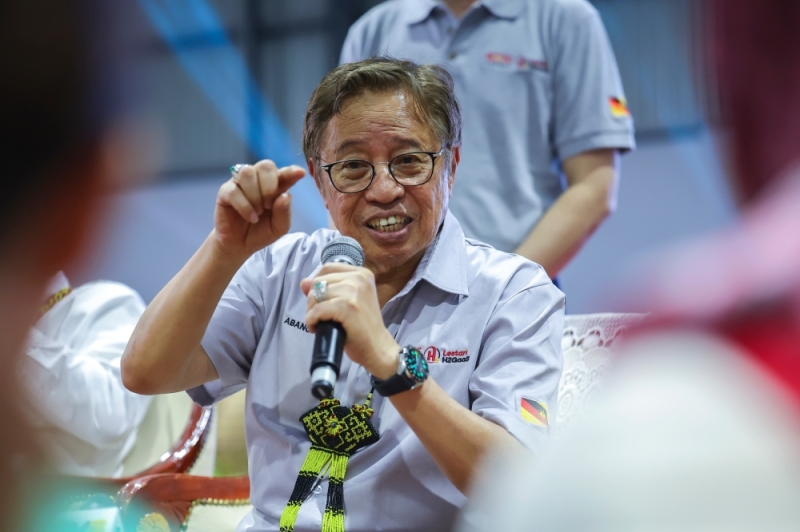
KUCHING, June 7 — The new Kuching International Airport (KIA) will be modelled on the Hamad International Airport in Doha, Qatar, Premier Minister Tan Sri Abang Johari Openg said here today. He said the state government is engaging consultants, who may be involved in the airport construction in Doha, to develop the planning for the construction of the new KIA. “The planning is expected to be completed within three years, and after which construction work will begin and how much the estimated costs will be known,” he told reporters. He was asked after witnessing the signing of a Memorandum of Understanding (MoU) between Innocement Sdn Bhd and PMW Industries Sdn Bhd on collaboration for the development of a manufacturing facility for the production of concrete products in Tanjung Manis in Sarikei Division. Abang Johari said the state government proposed building a new international standard airport based on the state’s long-term needs. “We want Kuching to become a hub with the airport that is capable of handling 15 million arrivals a year. “If we look at the development in South-east Asia, what we need is an airport with international standards equipped with the latest facilities including state-of-art information technology,” he added. He stressed the airport will become one of the catalysts to spur the state’s economy, especially in terms of air connectivity that will boost the tourism industry. “What I am saying is that we have two major projects in the pipeline that will expand our economy beyond 2030. “One is an airport and another a deep sea port at Tanjung Embang in western Sarawak,” he said. He said these two are strategic matters in the state government’s effort to make Kuching become a hub, saying that Sarawak is on the western part of Borneo which is along the shipping and flight routes from the east to the west.