
New requirements for Sarawak – Malaysia My Second Home (S- MM2H) in 2025
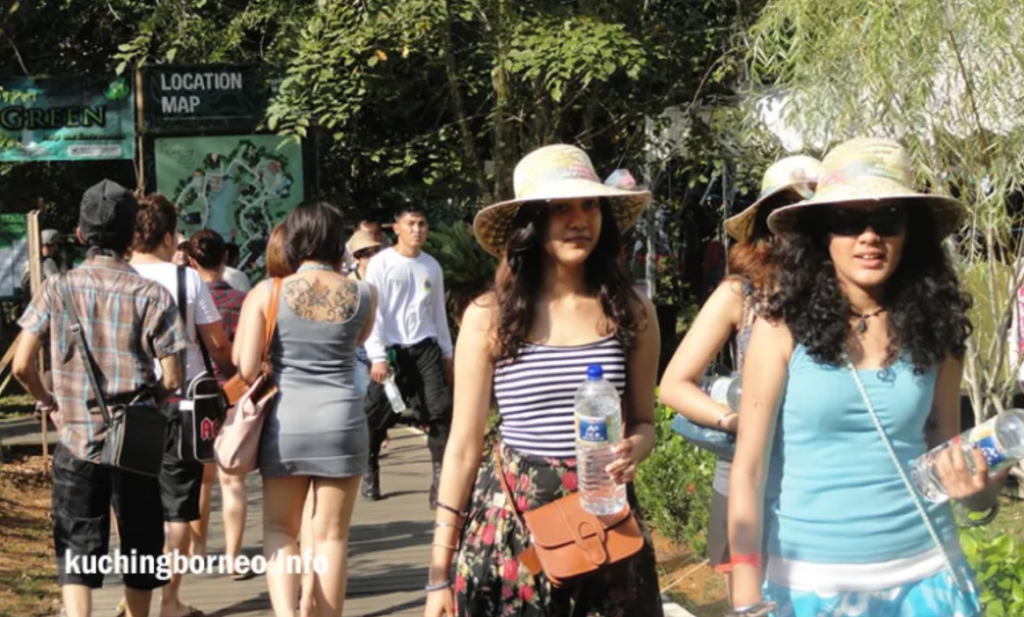
The Sarawak government has announced new requirements for the Sarawak – Malaysia My Second Home (S-MM2H) for 2025. The new requirements will take effect on January 1st, 2025. FreeMalaysia Today (FMT) reported Sarawak tourism, creative industry and performing arts minister Abdul Karim Rahman Hamzah as saying that the new requirements include requiring the applicant to be at least 30 years of age, and being from a country which has diplomatic relations with Malaysia. Other terms include having a fixed deposit account of RM500,000 with any local bank in Sarawak.If approved, the pass holder must also stay in Sarawak for a minimum of 30 days a year with the pass valid for 5 years before it can be renewed for another five. Karim was also quoted as saying that most of the approved applications for The Sarawak government has announced new requirements for the S-MM2H are from China, United Kingdom, Taiwan, Hong Kong and United States. More details about Sarawak – Malaysia My Second Home (S-MM2H)Checks on the official site for the program note the following terms and conditions as of 16 July 2024, for those keen to make Sarawak their second home. What is S-MM2HSarawak – Malaysia My Second Home (S-MM2H) is a ten year pass allowing non-Malaysians to stay in Sarawak. Pass holders will be given a maximum 5-year pass and need to renew it to claim another 5-year pass. The S-MM2H pass is different from the Malaysia My Second Home (MM2H) pass in terms of terms and conditions. Who can apply and basic terms of S-MM2HS-MM2H is open to those who are 50 years old and above with no limit of age set for the applicants spouses (if any). Unmarried children below the age of 21 are also allowed under their respective dependent. Those in this category need to show proof they have a fixed deposit of at least RM150K in a local Sarawak bank and a pension letter/employment confirmation with at least RM7K a month. For those without a pension letter or employment confirmation, they will need to have a bank statement that shows they have savings fund of at least RM50K. Those who are within 30-49 years old can also apply for Sarawak-Malaysia My Second Home (S-MM2H) by having at least RM150K in any local bank in Sarawak and a certified pension letter with pension funds of RM7K or monthly offshore income funds of at least RM7K. How do you apply for Sarawak – Malaysia My Second Home (S- MM2H)There are two ways to apply for the Sarawak-Malaysia My Second Home (S-MM2H) namely by direct submission, or via assisted submission. There is no online application. Direct submission means you hand in all the needed application documents to the One-Stop Center of the Ministry of tourism, creative industry and performing arts (MTCP) at Bangunan Baitulmakmur II, Petrajaya Sarawak. Direct submission means applications must be bonded by a sponsor who originated from and is currently staying in Sarawak, with the sponsor only sponsor one application at a time. Assisted Submissions on the other hand involve third parties or Legal Agent for S-MM2H which will help the application as they are the only ones allowed to submit S-MM2H applications. List of Legal Agents for S-MM2H can be seen HERE. The application process will take 90 working days and can be longer if more background checks is required. Official details on S-MM2HFor more details or updated information on the S-MM2H program, you can visit the websites below.Sarawak Tourism
No more ‘quota system’ for admission to Sarawak state-owned universities
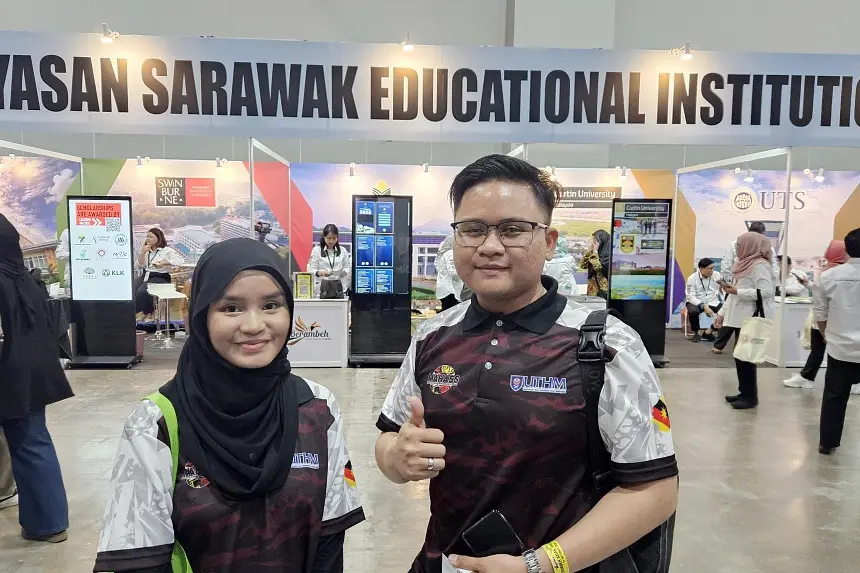
SIBU – Admission into five state-owned universities in Sarawak will be based solely on meritocracy to pick the best of the best, said Dr Annuar Rapaee, the Malaysian state’s Deputy Minister of Education, Innovation and Talent Development. “Students need to know that enrolment for these universities is no longer based on a quota system. In other words, it’s based on meritocracy,” said Dr Annuar at the Sarawak Career and Training Fair 2024 on Nov 2. He said that with a system of meritocracy, students have to compete for places. “Students must realise the importance of competition in order to pursue their studies in university,” he added. The five universities are Swinburne University of Technology Sarawak Campus, Curtin University Malaysia, University of Technology Sarawak, i-CATS University College, and Centre for Technology Excellence Sarawak. According to Dr Annuar, for Sarawak to advance towards becoming a developed state, meritocracy is the “only way to train talents and pick the best of the best among our students”. To ensure that rural students can gain admission to these universities, he said the Sarawak government is upgrading their facilities, which includes spending RM15 million (S$4.5 million) yearly to provide free tuition for Secondary 3 and 5 students. THE STAR/ASIA NEWS NETWORK
Sarawak’s Kuching city to emulate UAE’s Masdar City as development model

By DayakDaily Team ABU DHABI, Nov 6: The advancements of Masdar City in Abu Dhabi will serve as a model for the future development of Kuching, particularly in new areas. According to a report by Sarawak Public Communications Unit (Ukas), Sarawak Premier Datuk Patinggi Tan Sri Abang Johari Tun Openg emphasised the importance of adopting the carbon-free city as a model for sustainable development, featuring cutting-edge technology. “We see the potential to learn from the sustainability practices of this city and use it as a model for the development we aim to implement in Kuching, especially in new areas. “I believe we can adopt what has been successfully executed in Masdar City. We will discuss this further and perhaps explore collaboration with Abu Dhabi,” he said during a visit to Masdar City in Abu Dhabi on Tuesday (Nov 5), as part of an official working visit to the United Arab Emirates (UAE). Joining him were Sarawak Deputy Premier Datuk Amar Awang Tengah Ali Hasan, Minister of Utility and Telecommunication (MUT) Dato Sri Julaihi Narawi, Sarawak Secretary Datuk Amar Mohamad Abu Bakar Marzuki, Deputy Minister of Energy and Environmental Sustainability (MEESty) Datuk Dr Hazland Abang Hipni, and Sarawak Energy Berhad (Sarawak Energy) chairman Datuk Ibrahim Baki. During the visit, the delegation observed the use of new technology powered by solar energy, featuring low-carbon initiatives and a balance in environmental conservation. “They utilise solar energy, and the city’s infrastructure is built around sustainable and eco- friendly practices. “I noticed that the development here prioritises high standards of environmental conservation, focusing on low carbon emissions and incorporating advanced educational, commercial, and administrative facilities,” he stated. He further said that the sustainable city model developed by Abu Dhabi could transform Sarawak’s development landscape toward greater sustainability. At the same time, he envisioned potential cooperation between Sarawak and Abu Dhabi in exploring new economic opportunities. During the visit, Abang Johari and his delegation had the opportunity to ride the Personal Rapid Transit (PRT), a driverless electric autonomous vehicle. They also received a briefing from Suwaid Al Badi, Head of Procurement and Contracts at Masdar City, on the city’s development. Also present were Petroleum Sarawak Berhad (Petros) chairman Tan Sri Datuk Amar Hamid Bugo, Sarawak Economic Development Corporation (SEDC) chairman Tan Sri Datuk Amar Abdul Aziz Husain, Sarawak Energy Group Chief Executive Officer (CEO) Datuk Sharbini Suhaili, and other senior Sarawak government officials. DayakDaily
Sarawak plans to open trade and tourism office in Abu Dhabi
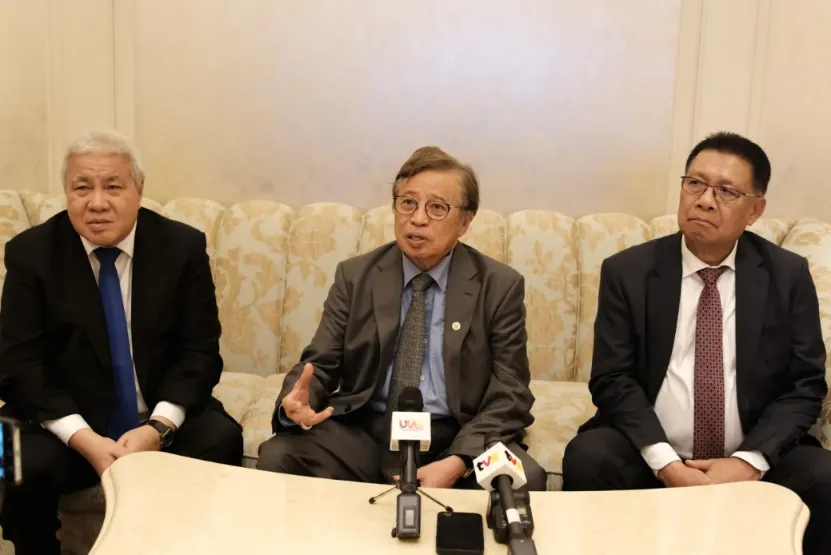
By DayakDaily Team ABU DHABI, Nov 6: The Sarawak government is planning to open a Sarawak Trade and Tourism Office in Abu Dhabi, United Arab Emirates (UAE) as part of its efforts to strengthen strategic cooperation with the country. According to a report by Sarawak Public Communications Unit (Ukas), Sarawak Premier Datuk Patinggi Tan Sri Abang Johari Tun Openg said that a suitable location for the office in Abu Dhabi is still being identified. If the plan materialises, he said the office will be managed by Petroleum Sarawak Berhad (Petros) and Sarawak Energy Berhad (Sarawak Energy). “The office placement plan also aims to enhance cooperation with countries in the Middle East and other ASEAN regions, as well as share technology with Abu Dhabi. “Abu Dhabi already has a data centre powered by renewable energy through solar, and they have partnerships with investors. “If we find compatibility between the Middle East and us, there is potential at the ASEAN level to foster close cooperation between the Middle East and Asia,” he said during a press conference following his visit to Masdar City, Abu Dhabi, on Tuesday (Nov 5) as part of his working visit to the UAE. Also present were Sarawak Deputy Premier Datuk Amar Awang Tengah Ali Hasan, Minister of Utility and Telecommunication (MUT) Dato Sri Julaihi Narawi, Sarawak Secretary Datuk Amar Mohamad Abu Bakar Marzuki, Deputy Minister of Energy and Environmental Sustainability (MEESty) Datuk Dr Hazland Abang Hipni, Deputy Minister of Urban Planning, Land Administration and Environment Datuk Len Talif Salleh, and Sarawak Energy Group Chief Executive Officer (CEO) Datuk Sharbini Suhaili. Additionally, the Sarawak Premier noted that the Sarawak office in Abu Dhabi would function similarly to the Sarawak Trade and Tourism Office Singapore (STATOS), the Sarawak Trade and Tourism Office Brunei (STATOB), and the Sarawak Trade and Tourism Office Kalimantan. – DayakDaily
Premier: B40 housing proposal underscores inclusivity in Kuching’s urban development

KUCHING (Nov 10): The Sarawak government plans to allocate a land in Kuching to be developed into affordable housing for the B40 (low-income) group. Premier Datuk Patinggi Tan Sri Abang Johari Tun Openg highlights this as underscoring the government’s commitment to integrating the B40 group into Kuching’s urban development. “We do not want those who are unable to afford houses to be pushed outside of Kuching, to live in distant areas. “Our policy is one of inclusivity; regardless of social status, all citizens should live together. “For the B40 group, the government must provide the necessary assistance for them to acquire houses,” he said during his speech for Sarawak Housing and Real Estate Developers Association (Sheda)’s Excellence Awards 2024, held at the Borneo Convention Centre Kuching (BCCK) on Saturday night. Adding on, Abang Johari emphasised the importance of providing affordable housing in the urban areas to the B40 group, which would allow them to enhance their livelihood. “If B40 families reside near quality educational institutions, it will offer a better future for their children. “By 2026, if their children are eligible for university education at Sarawak-owned universities, we will cover their university fees. “This initiative will elevate our fellow Sarawakians, equipping them with knowledge so they can pursue any career of their choice and improve their livelihoods,” he explained. On another subject, Abang Johari announced that the state government would allocate land for the construction of new Sheda headquarters. He added that the proposed headquarters building would be located alongside those other professional bodies such as the Institution of Engineers Malaysia (IEM), the Bumiputera Engineers Association, and the Board of Surveyors and Town Planners. “We have allocated land to these professional organisations, so the Sheda headquarters should ideally be in the same vicinity.” Abang Johari also said a cluster for professional organisations was being planned within the Kuching area, which would feature enhanced connectivity. “This area will include a new route extending from the rear of Unimas (Universiti Malaysia Sarawak) to Pending, eventually linking to the Sejingkat Bridge. The route is expected to be ready by late 2025 or 2026. “With this new route, the area will be effectively integrated into Kuching, with just a 20-minute drive to the city centre. “The Sheda headquarters will be located there,” he said.
Sarawak commits to renewable energy leadership, seeks international collaboration
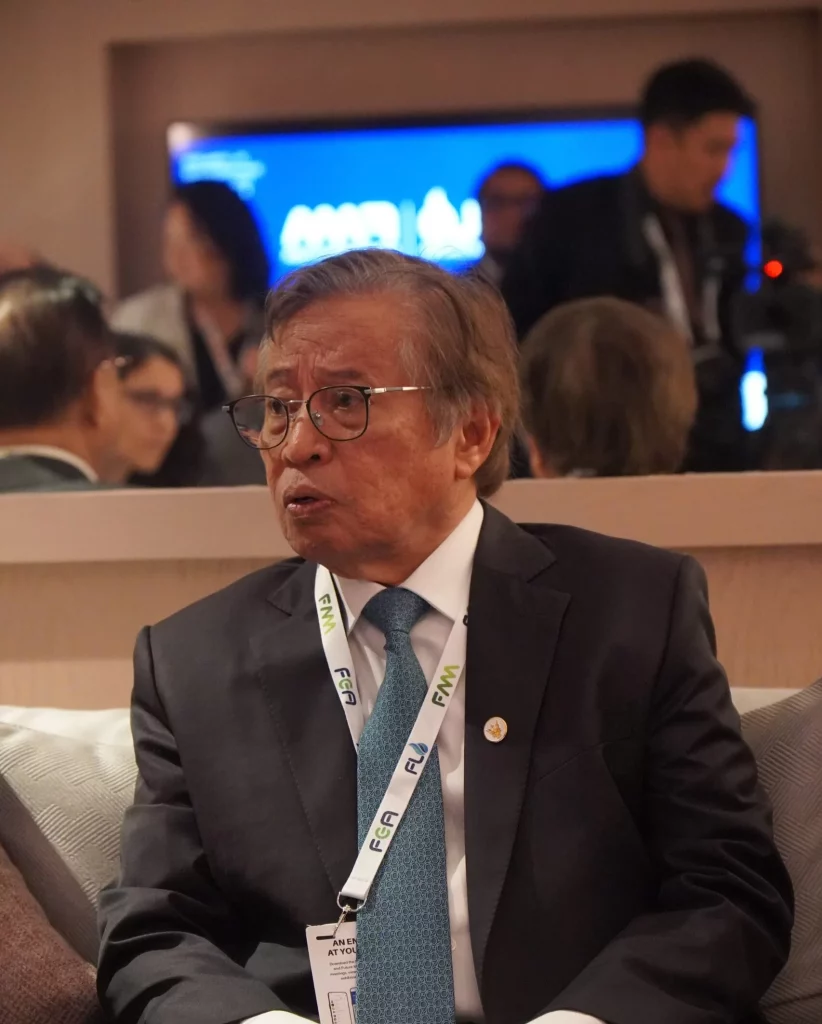
BANGKOK: Premier Datuk Patinggi Tan Sri Abang Johari Tun Openg has underscored Sarawak’s commitment to harnessing and maximising its renewable energy resources through international collaboration and technological learning. Stating how Sarawak is blessed with natural resources that can generate renewable energy, he said the Sarawak government is actively seeking solutions through the latest technology to add value to these resources. “The whole world is looking at us (Sarawak) because we have the vision, and we want to translate our vision into action. “What is important now is the execution action. If you have the vision, but you do not execute it, it remains just a vision.” Abang Johari made these remarks during a press conference after delivering his keynote address at the Future Energy Asia Strategic Summit 2024. He said Sarawak’s push for green economy is in line with global transition from coal and fossil fuel to clean and renewable energy. He added that Sarawak can manage its economy sustainably while incorporating the latest technologies by prioritising clean energy. “Sarawak’s energy generation mix comprises 70 per cent hydropower and supplemented by a small percentage of natural gas and coal which is slated for phase-out. “This actually places Sarawak ahead of the 2050 net zero or carbon neutrality target which means we are achieving carbon negativity well before the deadline.” Abang Johari said Sarawak has the advantage of sharing this success with the world thus inviting collaboration for technological partnership. At the same time, he pointed out that Sarawak has emerged as a key player for interconnection in assisting the fulfilment of the Asean Power Grid. He said through Sarawak Energy Berhad (SEB), Sarawak is supplying energy needed by Indonesia in East and West Kalimantan. “We are also supplying energy to Singapore and Brunei which means we are assisting three neighbouring countries. If we scale up our production, we can create more job opportunities and economic growth in the region.”
Sarawak Gas Roadmap
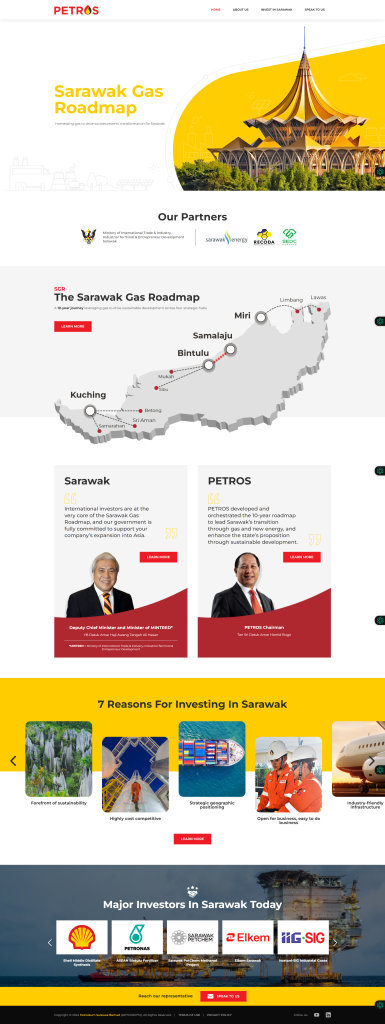
https://sgr.petroleumsarawak.com/
Kerjasama lebih erat antara MINTRED dan MITI tarik pelabur tenaga hijau ke Sarawak
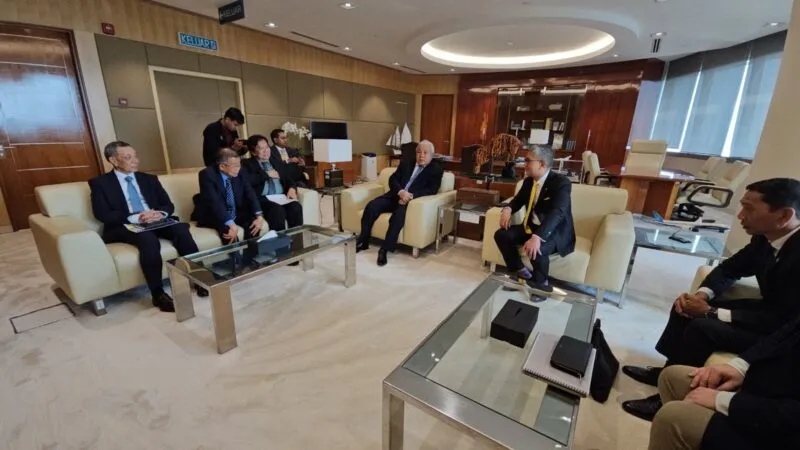
KUCHING, 25 Mac: Dalam usaha menarik lebih banyak pelaburan ke Sarawak, Kementerian Perdagangan Antarabangsa dan Pelaburan (MINTRED) Sarawak menjalinkan kerjasama lebih erat dengan Kementerian Pelaburan, Perdagangan dan Industri (MITI). Timbalan Premier Sarawak Datuk Amar Awang Tengah Ali Hasan berkata perbincangan bersama Menteri Pelaburan, Perdagangan dan Industri, Tengku Datuk Seri Zafrul Tengku Abdul Aziz hari ini merangkumi untuk menjadikan Sarawak sebagai hab tenaga hijau dan diperbaharui di rantau ini. “Ia menjadi keperluan dalam menarik pelaburan yang betul terutamanya pemerangkapan, penggunaan dan penyimpanan karbon (CCUS) dan hidrogen hijau,” katanya dalam kenyataan. Awang Tengah yang juga Menteri Perdagangan Antarabangsa dan Pelaburan Sarawak berkata, perlu ada beberapa insentif disediakan kepada pelabur, malah dasar yang kukuh untuk memudahkan pertumbuhan industri ini. Perbincangan tersebut turut disertai Timbalan Menteri Perdagangan Antarabangsa dan Pelaburan Sarawak, Datuk Dr Malcom Mussen Lamoh, Penasihat MINTRED Dato Sri Mohd Naroden Majais, Setiausaha Tetap MINTRED, Dzulkarnain Misron dan Ketua Pegawai Eksekutif Lembaga Pembangunan Koridor Wilayah (RECODA), Datu Ismawi Ismuni dan Ketua Pegawai Eksekutif InvestSarawak, Timothy Ong – TVS
Malaysia’s Sarawak targets green energy powerhouse status
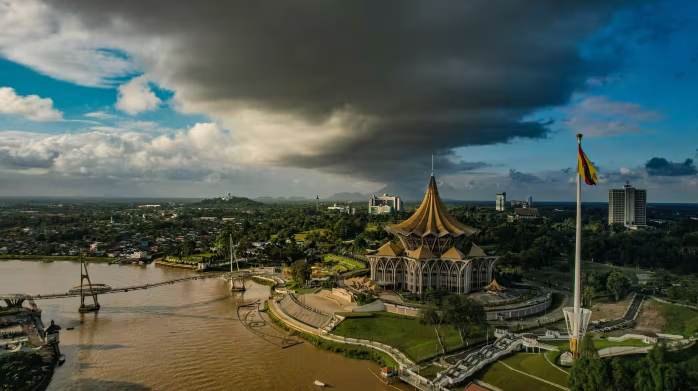
InvestSarawak CEO sees renewables as ‘cornerstone’ of sustainability for state KUCHING, Malaysia — In an ambitious pivot away from its entrenched oil and gas legacy, Malaysia’s Sarawak is working to carve out a new identity as Southeast Asia’s emerging green energy powerhouse, the head of the state’s investment agency told Nikkei Asia. The state, located on the island of Borneo that Malaysia shares with Indonesia and Brunei, possesses immense energy resources. Its operational hydroelectric dams include Bakun and Murum, while the under-construction Baleh Dam is slated to add 1,285 megawatts to the grid by 2026. Sarawak Energy, the state’s power company, estimated that Sarawak has a potential 20,000 MW of hydropower over about 50 sites, of which 3,452 MW has been harnessed. The Bakun Dam, Sarawak’s largest hydroelectric project and one of Southeast Asia’s most significant, was completed in 2011. The 7.4 billion ringgit ($1.56 billion) facility spans the Balui River and boasts a capacity of 2,400 MW. Its construction was part of a broader initiative to reduce reliance on fossil fuels and promote sustainable energy sources within the region. “Sarawak is transcending its traditional energy models to embrace a future where renewable energy is the cornerstone of economic and environmental sustainability,” Timothy Ong, chief executive of InvestSarawak, said in an interview last month. “The future of Sarawak lies in green energy, and our commitment to this vision is unwavering,” Ong said. “Through strategic investments, partnerships, and a dedicated workforce, we are not just imagining a sustainable future; we are actively building it.” The effort is paying off, attracting a slew of foreign direct investment into the green sector. In 2023, Sarawak drew 21.4 billion ringgit in investments, with a significant chunk funneled into manufacturing and renewable energy initiatives, according to Awang Tengah Ali Hassan, the state’s deputy premier, as reported by the state information office earlier this month. State-linked Sarawak Energy signed a memorandum of understanding in October last year with the United Arab Emirates’ Abu Dhabi Future Energy Company, also known as Masdar, as part of joint effort to develop 2 gigawatts of renewable energy projects in Malaysia at an investment value of $8 billion, according to the Malaysian Investment Development Authority. One of the plans includes developing 1 GW of renewable energy projects in Sarawak. Beyond hydropower, Sarawak is also aiming to become a leader in the nascent hydrogen energy industry in the region. Collaborations with Japanese and South Korean companies such as SK Energy, Sumitomo Corp. and Eneos highlight the state’s role in the ongoing international push towards hydrogen as a clean, alternative fuel source. “These ventures bring more than just investments; they bring knowledge and innovation, propelling Sarawak onto the global stage of renewable energy,” Ong said. Sarawak’s green agenda also extends to its burgeoning digital economy, with plans to power tech industries and data centers using renewable energy. The initiative aligns with global demand for sustainable digital infrastructure, marrying digitalization with green energy in a move that Ong describes as “setting the stage for a future where digital and green go hand in hand.” The road to a green future, however, is not without challenges. Sarawak is grappling with the need for skilled manpower and technological skills to drive its renewable ambitions. To this end, Ong said that InvestSarawak is focusing on education enhancements and talent repatriation strategies for “building a future-ready workforce for Sarawak’s renewable energy sector.” Ong said: “We’re focusing on enhancing local education and creating enticing opportunities for our people abroad to return and contribute to our green ambitions. This is more than just a job; it’s about building a sustainable future for our next generations.” Sarawak can play a key role in the renewable energy industry because the state can provide cost-competitive electricity tariffs. Ong reiterated that it will be serving as an anchor for energy intensive digital, advanced manufacturing. “For me, the focus is not on the value of the investment,” he said. “My focus is on our economic complexity. On investment value, it’s pointless if we don’t have sophistication in our supply chain and that is what keeps your multinationals in the state, so you can always have the attraction [for] retention of talents.”
Sarawak To Allign With EU On Energy Production
Sarawak Premier Tan Sri Abang Johari Openg recently announced their cooperation with the European Union (EU) in the energy production sector to reduce the effects of climate change. The cooperation was revealed during his speech at the dinner event held in conjunction with the launch of Invest Sarawak and Business Day, that has been attended by over 400 guests, including state Cabinet ministers, business representatives and 23 delegates from the EU. Abang Johari said the cooperation will involve technological development, especially in hydrogen production. “In line with technology advancement that will reduce dependence on fossil energy, which is constantly increasing in cost, I believe that the cost for hydrogen production will become cheaper within the next five to 10 years,” he said. He said Sarawak is taking the issue of global warming seriously, adding that the state wants to help reduce carbon emissions and the impact of climate change, which resulted in the highest temperature reading last year.