
Sarawak’s rapid growth, lofty plans should not be seen as desire for independence: Premier Abang Johari
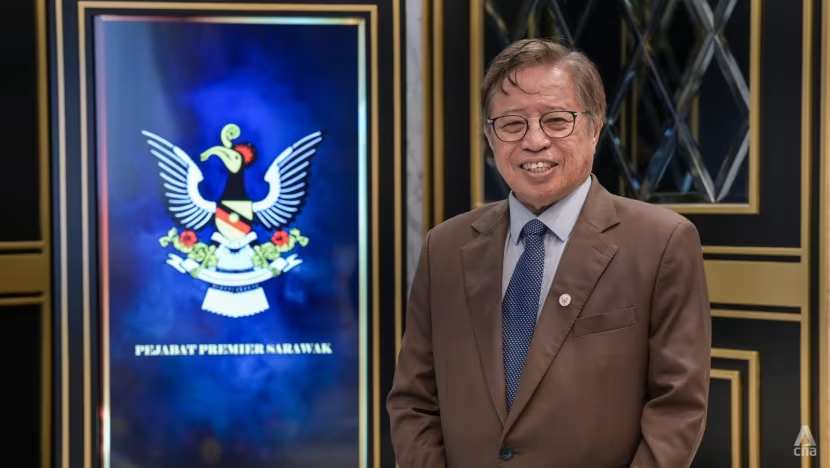
Led by Premier Abang Johari Openg, Sarawak is making moves to cement its status as one of Malaysia’s most important states and has likened itself to the economic powerhouse region of Bavaria in Germany. KUCHING: In a lounge on the highest floor of the Wisma Bapa administrative building near downtown Kuching in Malaysia’s Sarawak state, the walls are black and marble with ornate gold trims. The floor is fully carpeted, the ceiling boasts chandeliers, and sofas line every corner of the spacious room. The lounge is part of the office of Sarawak’s Premier Abang Johari Openg, a key figure in the autonomous state. Stacked on coffee tables are news magazines outlining Mr Abang Johari’s achievements and grand ambitions for Sarawak, which has massive oil and gas reserves and is well on track to have its own port, airline and financial institution. And these grand plans have given the Premier the confidence to tout his state’s prowess and positioning in Malaysia as similar to the Bavaria region in Germany – known as an economic powerhouse there. In recent years, Sarawak has retaken Bintulu Port from the federal government, bought over regional airline MASwings from the national flag carrier Malaysia Airlines, and is in the final stages of acquiring a controlling stake in Affin Bank. These moves are necessary for Sarawak to “go forward”, while the state’s riches mean it can afford to give back to its people, Mr Abang Johari said in a wide-ranging interview with CNA in August. In December 2023, he unveiled a plan to provide free tertiary education for Sarawakians in state-owned universities from 2026. The idea of free tertiary education for Sarawak natives was first mooted by Mr Abang Johari as part of his birthday wish in August 2022. “For any country to develop, you need quality human resources, and that is where I think with good education behind them, you can get people out of poverty,” he told CNA at Wisma Bapa. “It is more so when you have the economic ecosystem that allows them to make use of what they know to develop further.”
Premier: Miri Port to propel northern Sarawak’s economy, rival Dubai after 2030
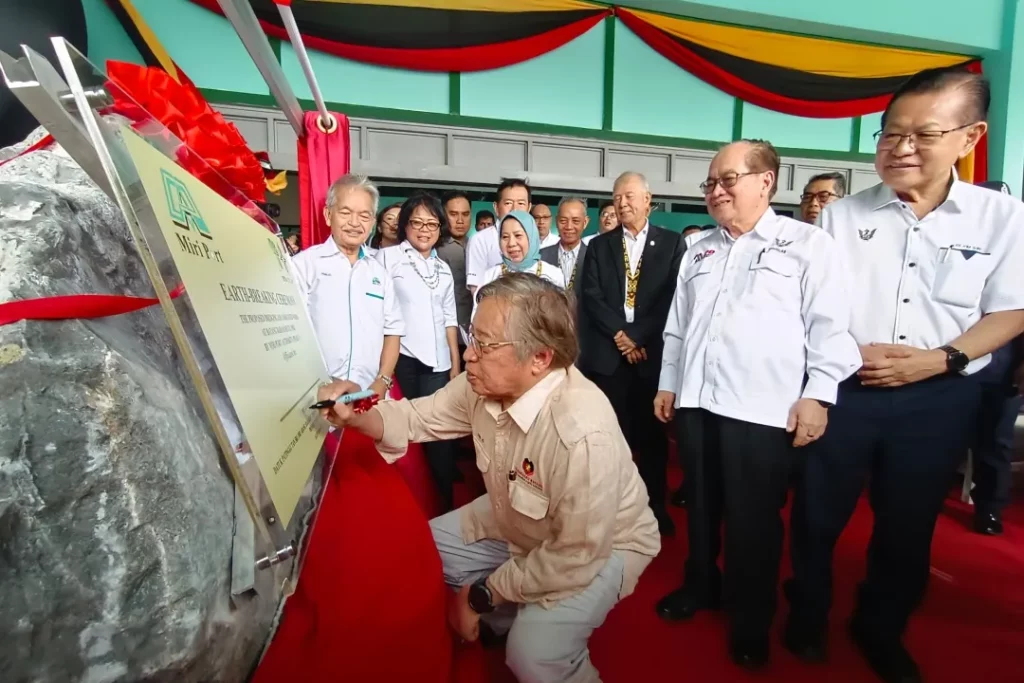
MIRI (Sept 18): The Miri Port has the potential to become a key port linking Sarawak’s northern trade to global markets, said Sarawak Premier Datuk Patinggi Tan Sri Abang Johari Tun Openg. He said apart from that, it can spur economic opportunities and further accelerate development in Sarawak’s northern region, including the hinterlands. “The people of Miri have long dreamed of developing this port. However, the high costs and questions over its economic feasibility kept it on hold for years. “Datuk Amar (Douglas Uggah Embas) and his team met with me to discuss the project, and I had already considered the idea, as we had always wanted to build a port in the northern region but the path forward was unclear,” he said. Abamg Johari was speaking at the groundbreaking ceremony of the proposed RM208.9 million training bund and dredging project at Batang Baram Delta, at the Miri Port here today. Abang Johari said that the dredging project to deepen the access channel would adopt the latest BREEAM (Building Research Establishment Environmental Assessment Method) technology which is already used in developed countries in Europe. “Hence, we set aside an allocation amounting RM280 million even when the cost is only RM208 million. We are putting aside the remaining funds for future projects,” he added. He noted that the investment will return to Sarawak over time given the vast potential and opportunities the project brings after its completion by year 2026. Looking forward to the future, Abang Johari envisioned Miri Port not only able to handle various types of cargo, but also be turned into a resort that would attract tourists, potentially competing with the world’s renowned tourist destination like Dubai. “If this area becomes a resort, it could be a rival to Dubai. They have the Palm (Jumeirah), so our port will not only welcome cargo and vessels, but also cruises that bring in tourists. “We will build buildings, hotels there. With that, we will have a major port that is on par with Singapore,” he said, adding that this would be materialised after 2030. Additionally, he said the Miri hinterland, which is rich in palm oil, would also benefit greatly from the port as transportation costs would be reduced, resulting in higher profit margins. He said that the Baram Delta has also been identified as a Carbon Storage area, creating opportunities for the Carbon Capture, Utilisation, and Storage (CCUS) industry. He added that the port would also feature containerisation facilities, further boosting its capacity to handle a variety of cargo. “As for our pipeline, Sarawak will manage its own gas resources. Our gas resources are our right, despite some issues with Petronas at the moment. This means that we will develop a state gas roadmap including here in Kuala Baram, and this is one of the new industries,” he said. He stressed that for Sarawakian to enjoy these developments, the people must remain united and support the Gabungan Parti Sarawak (GPS). “As long as GPS is here, we will continue to have new ideas, which we call innovation where we constantly look for ways outside the box to develop Sarawak,” he said. Meanwhile, Abang Johari witnessed the formal exchange of contract documents between Miri Port Authority and its joint venture partners Rimbun Prima Sdn Bhd and China Communications Construction Company (M) Sdn Bhd. Also present at the function were Deputy Premier Datuk Amar Douglas Uggah Embas, Transport Minister Dato’ Sri Lee Kim Shin, Deputy State Secretary (Economic Planning and Development) Datu Dr Muhammad Abdullah Zaidel, and Miri Port Authority chairman Datuk Paulus Palu Ngumbang.
Miri sets up command centre as partof smart city initiative
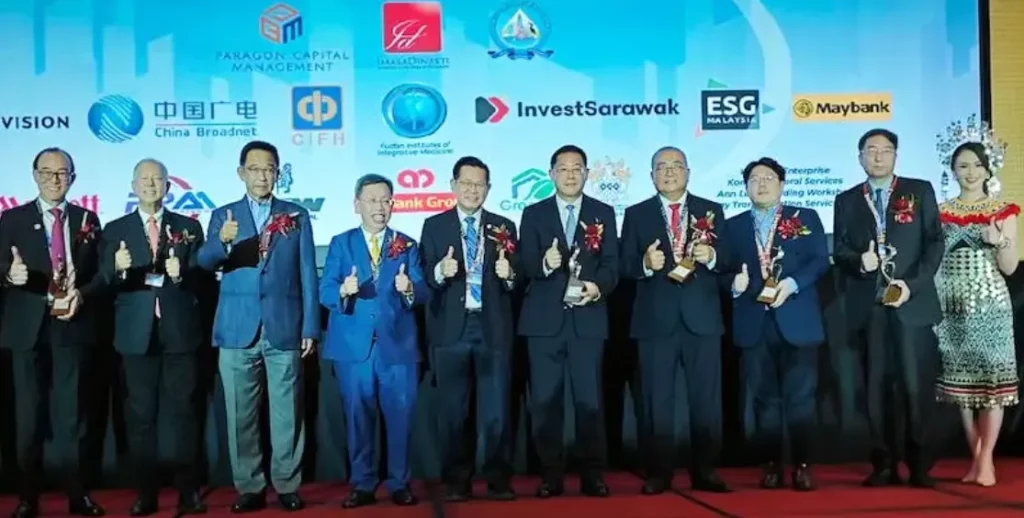
Miri, May 29: Miri City is now embarking on the second phase of the Smart City Initiatives which will include the Miri City Command Centre, expansion of Safe Park and Safe City Initiatives and further digitisation of Miri City Council processes and documentation.Unveiling this, Miri City Council (MCC) mayor Adam Yii said Miri City is fortunate that it was selected as the pioneer city for the Smart City Initiatives by Sarawak government on Jan 30, 2020 and a total of 10 smart applications have been successfully implemented under Phase 1 of the Miri Smart City Initiatives so far. He said Miri City presently has a population of about 350,000, and a land size of about 5,200 sq km.“To put the land size in perspective, Miri City is about 7 times the size of Singapore since the land size of Singapore is about 734.3 sq km,” said Yii at the Kenyalang Smart City Summit organised by Imasa Dinasti Sdn Bhd, the developer of Kenyalang Smart City (KSC) Development. The event attracted over 50 local and international investors from the Middle East and Asia, including the Republic of China, Australia, Singapore, Indonesia and Malaysia with the purpose to learn more about Kenyalang Smart City Development and associated investment opportunities. “Miri City is in dire need of a proper convention centre in order to host bigger events. Therefore, the convention centre included in the Kenyalang Smart City Development Project is much welcomed,” said Yii.For the foreign guests, Yii who is also Pujut assemblyman, gave a short historical account of Miri City.Miri City came to existence basically when oil was found, developed and produced in 1910 by Shell with the first well drilled on top of the Canada Hill. The hill was named Canada Hill by the local people, because the first drillers working there were Canadians. Due to its historical significance, the Grand Old Lady and a petroleum museum were erected on the site. Miri from then on developed from a small fishing village to what it is now, and has been commonly known as the “oil town”. “Interestingly, Shell as an oil company also has its origin in Miri. Shell was a trading company before it became an oil company,” said Yii. During WWII, the first point of landing by the Imperial Japanese Army on the island of Borneo was also in Miri where the objective was to take over the oilfields of Miri. “And due to the presence of a sizable community of expatriates and their families working and living in Miri since the discovery of oil, Miri has a much more cosmopolitan character as compared to other places in Sarawak,” said Yii. Also present were Deputy Premier Dato Sri Dr Sim Kui Hian, Tourism, Creative Industry and Performing Arts (MTCP) Minister Dato Sri Abdul Karim Rahman Hamzah, Transport Minister Dato Sri Lee Kim Shin, Deputy MTCP Minister Datuk Sebastian Ting and other dignitaries. – DayakDaily
Integrate ESG principles into economic, industrial policies for business sustainability, says S’wak deputy minister
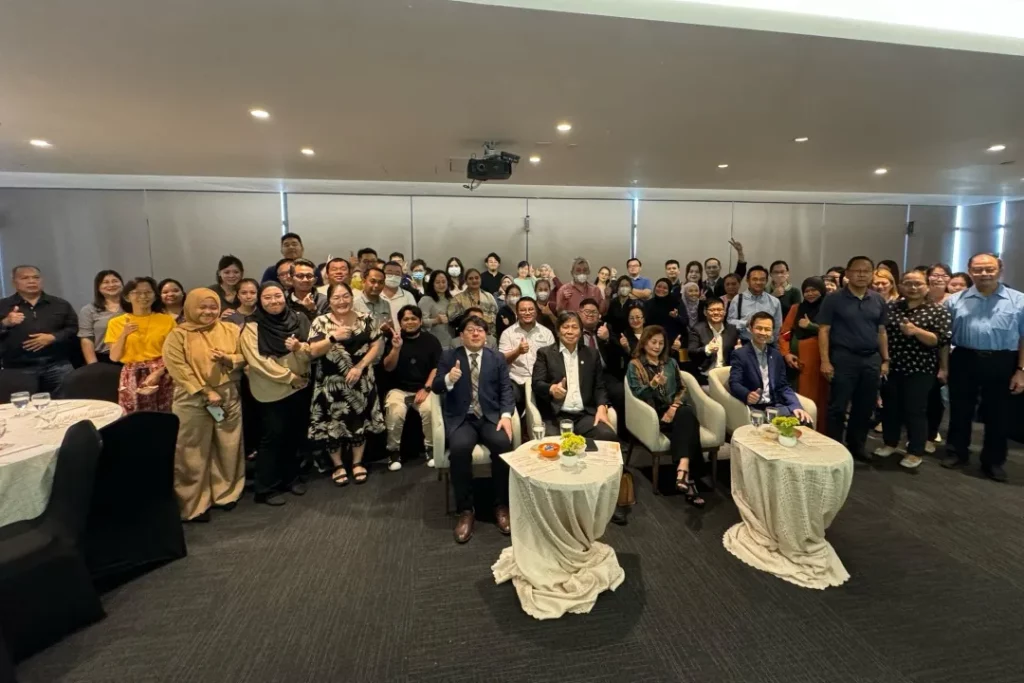
MIRI (May 28): Integration of Environmental, Social and Governance (ESG) principles by the Sarawak government into its economic and industrial policies underscores the emphasis on sustainable development and responsible governance, said Datuk Dr Malcolm Mussen Lamoh, Deputy Minister of International Trade, Industry and Investment (Mintred). Speaking at the Environmental, Social and Governance Training workshop here today, he said this commitment fosters an environment where businesses can thrive while adhering to high standards of ESG compliance, embedding these principles into the fabric of Sarawak’s industrial and commercial activities. He noted that Sarawak is rapidly becoming a magnet for foreign investors, with notable expansion projects and substantial investments underway in the state, and Sarawak’s journey towards ESG compliance is aligned with the global shift towards sustainability. “We must recognise that our local actions have global implications. By adopting and adhering to ESG principles, Sarawak can set a benchmark for other regions and states, showcasing that economic development and environmental sustainability can go hand in hand,” he said, adding this resonates with Sarawak’s Post-Covid Development Strategy (PCDS) 2030 roadmap to become a thriving, resilient and sustainable region, emphasising innovation, inclusivity and environmental stewardship. Furthermore, Sarawak’s dedication to sustainable development has attracted global attention, garnering favourable ratings from respected international rating agencies such as Standard and Poor’s and Moody’s Investor Services. These endorsements, he pointed out, validate Sarawak’s strategy to attract high-quality investments and drive large-scale development, all while adhering to ESG principles. In addition, it has implemented robust policies and procedures to ensure transparency, integrity and good governance, with a strong focus on improving the ease of doing business in accordance with ESG principles. One of the steps taken by Mintred is training workshops which serve as a platform to equip industries and stakeholders with the knowledge and tools necessary to implement effective ESG strategies so that businesses remain competitive and sustainable in the global market, he said. He commended the organisers, InvestSarawak, who have been working closely with his ministry, UN Global Compact Network Malaysia and Brunei (UNGCMYB) and Alliance Bank for holding this significant event in Miri. He said the support of speakers, participants, business chambers and associations underscored their collective dedication and commitment to this cause. “Your efforts are crucial in driving the ESG agenda forward and ensuring that Sarawak remains at the forefront of sustainable development,” he added.
Awg Tengah: Talent devt across various sectors vital in ensuring Sarawak’s status on global platform
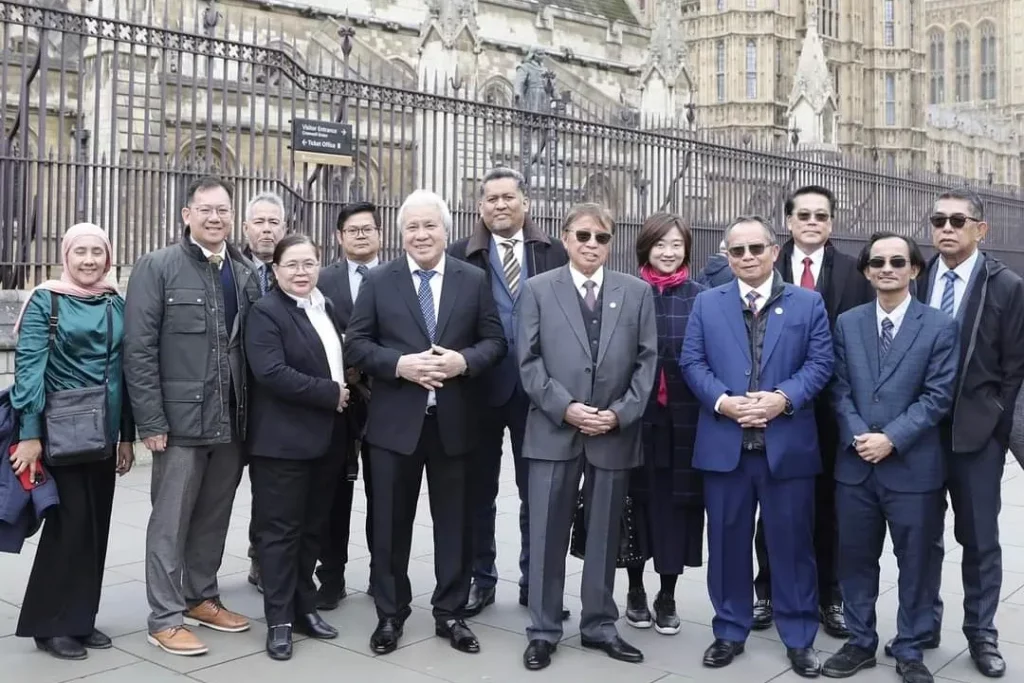
KUCHING (April 24): Sarawak is looking into developing talents in the design of semiconductor products using silicon, germanium and gallium arsenide, says Deputy Premier Datuk Amar Awang Tengah Ali Hasan. He was cited by Sarawak Public Communications Unit (Ukas) in a report as saying that this could be achieved by enhancing collaboration with industry players in the UK. “Talent development in various sectors for the people of Sarawak is important to ensure Sarawak’s position in the global platform. “Sarawak designers are capable of being on par with international designers, given that there are now foreign companies that have bought semiconductor products produced in Sarawak,” said Awang Tengah, who is part of the Sarawak delegation led by Premier Datuk Patinggi Tan Sri Abang Johari Tun Openg in a working visit to the UK. They inspected the advanced technology employed at the Drax Power Station and oversaw the signing of a memorandum of understanding between Sarawak Microelectronics (SMD) Semiconductor and UK-based CSA Catapult. The delegation is now in Poznan, Poland where the Premier is set to present Sarawak’s role in renewable energy security, decarbonisation, and environmental sustainability at the Central European Hydrogen Technology Forum. On another matter, Awang Tengah, who is also the Second Minister of Natural Resources and Urban Development, said Samalaju High Tech Park remained one of the good locations for foreign companies to come and establish their companies with a workforce made up of local residents, and it could also be used as a place where talent development could be forwarded. On biomass technology, Awang Tengah – also the Minister of International Trade, Industry and Investment Sarawak – said the visit to the Drax Power Plant in Leeds in the UK, was very fruitful and significant because it showed the delegation present how wood pellets were used to generate clean energy in the United Kingdom. “In this regard, a local company like Samling has exported wood pellets to foreign countries for that purpose. “Therefore, we have the potential to develop technology using wood pellets to generate energy in the near future,” he said.
Move to make hydrogen accessible throughout Sarawak
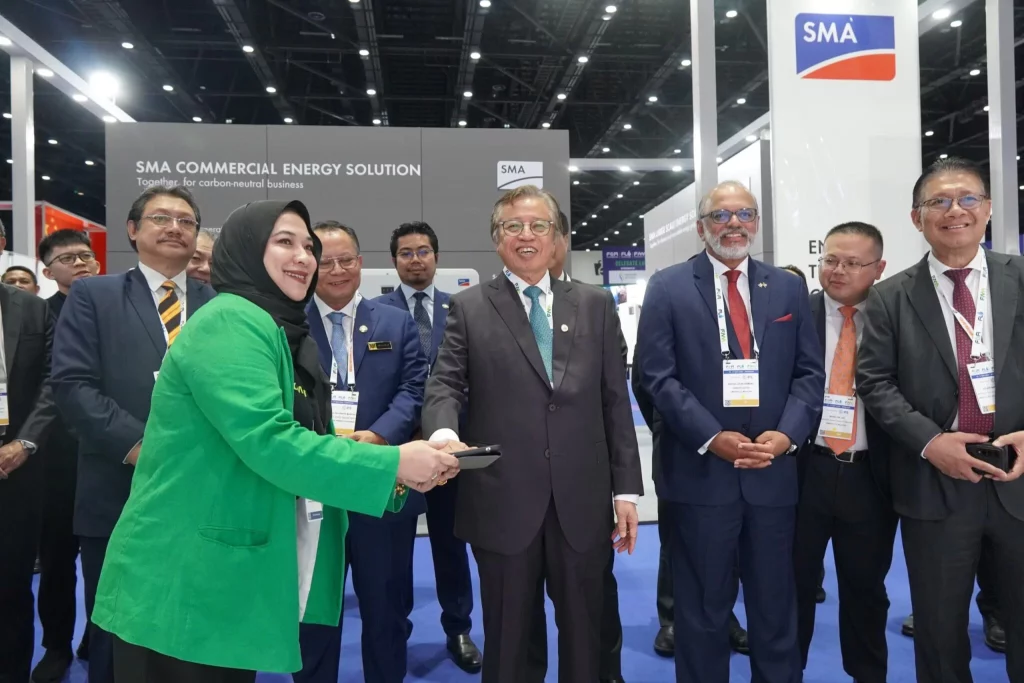
BANGKOK: Premier Datuk Patinggi Tan Sri Abang Johari Tun Openg has shared his vision of making hydrogen readily accessible across Sarawak. Noting how Sarawak Economic Development Corporation (SEDC) Energy is pioneering the hydrogen revolution in Sarawak, he said Sarawak is committed to pioneering innovative solutions that will not only power the state’s economy but also safeguard the environment for generations to come. “SEDC Energy is positioning Sarawak at the forefront of the hydrogen economy thus setting a new standard for sustainable energy in Malaysia and Southeast Asia through visionary initiatives. “A cornerstone of this endeavour is the development of a state-wide network of Flagship Multi-fuel Stations (MPS) with a particular emphasis on hydrogen refuelling. “Our vision is to make hydrogen readily accessible across Sarawak. These stations will not only serve as refuelling hubs for hydrogen vehicles but will also symbolise our unwavering commitment to clean, efficient, and sustainable transportation,” he said. He said this during his keynote address at the Future Energy Asia 2024 here today. Abang Johari said Sarawak’s ambition extend beyond transportation as the Sarawak government envisions hydrogen as a versatile and sustainable feedstock for a multitude of industries. “One particularly promising avenue is the production of Sustainable Aviation Fuel (SAF). By harnessing the power of hydrogen in conjunction with renewable resources like algae oil, we can create a cleaner, greener alternative to conventional jet fuel, significantly reducing the carbon footprint of air travel. “In essence, hydrogen is not merely a fuel; it is a catalyst for a greener, more resilient Sarawak. By embracing hydrogen, we are not only diversifying our energy mix but also unlocking a world of possibilities for economic growth, job creation, and environmental stewardship,” he said.
Sarawak commits to renewable energy leadership, seeks international collaboration
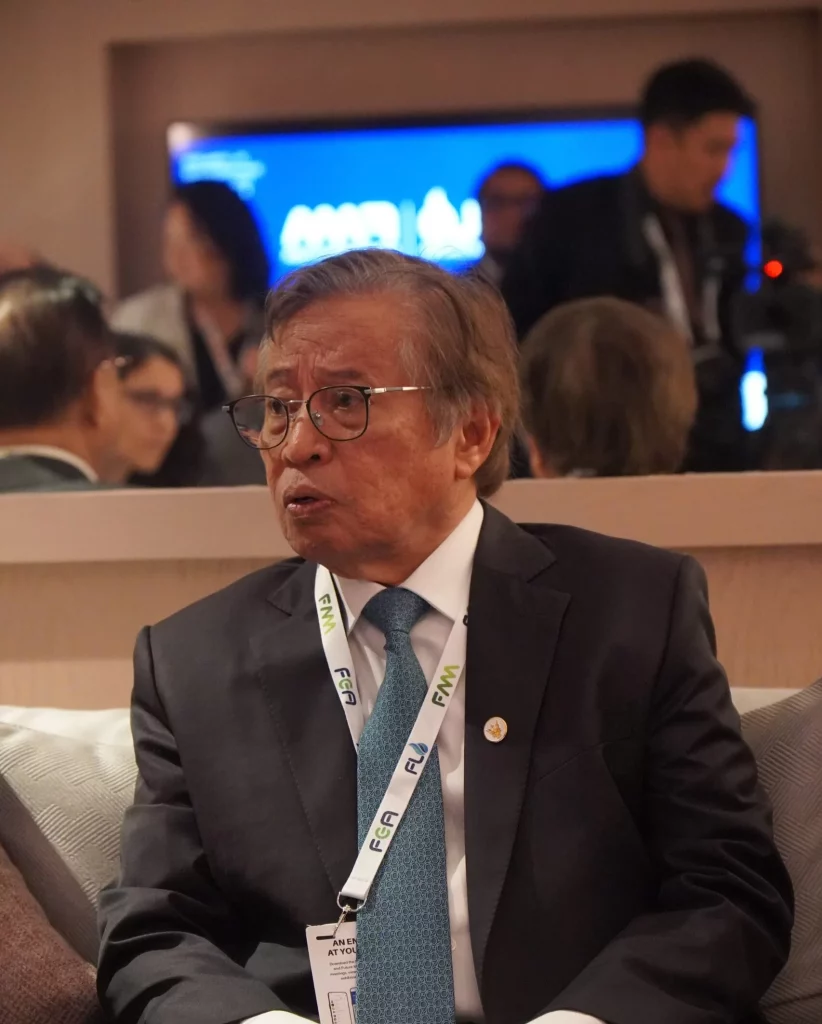
BANGKOK: Premier Datuk Patinggi Tan Sri Abang Johari Tun Openg has underscored Sarawak’s commitment to harnessing and maximising its renewable energy resources through international collaboration and technological learning. Stating how Sarawak is blessed with natural resources that can generate renewable energy, he said the Sarawak government is actively seeking solutions through the latest technology to add value to these resources. “The whole world is looking at us (Sarawak) because we have the vision, and we want to translate our vision into action. “What is important now is the execution action. If you have the vision, but you do not execute it, it remains just a vision.” Abang Johari made these remarks during a press conference after delivering his keynote address at the Future Energy Asia Strategic Summit 2024. He said Sarawak’s push for green economy is in line with global transition from coal and fossil fuel to clean and renewable energy. He added that Sarawak can manage its economy sustainably while incorporating the latest technologies by prioritising clean energy. “Sarawak’s energy generation mix comprises 70 per cent hydropower and supplemented by a small percentage of natural gas and coal which is slated for phase-out. “This actually places Sarawak ahead of the 2050 net zero or carbon neutrality target which means we are achieving carbon negativity well before the deadline.” Abang Johari said Sarawak has the advantage of sharing this success with the world thus inviting collaboration for technological partnership. At the same time, he pointed out that Sarawak has emerged as a key player for interconnection in assisting the fulfilment of the Asean Power Grid. He said through Sarawak Energy Berhad (SEB), Sarawak is supplying energy needed by Indonesia in East and West Kalimantan. “We are also supplying energy to Singapore and Brunei which means we are assisting three neighbouring countries. If we scale up our production, we can create more job opportunities and economic growth in the region.”
Premier outlines 10-20-30 as sustainable energy future for Sarawak
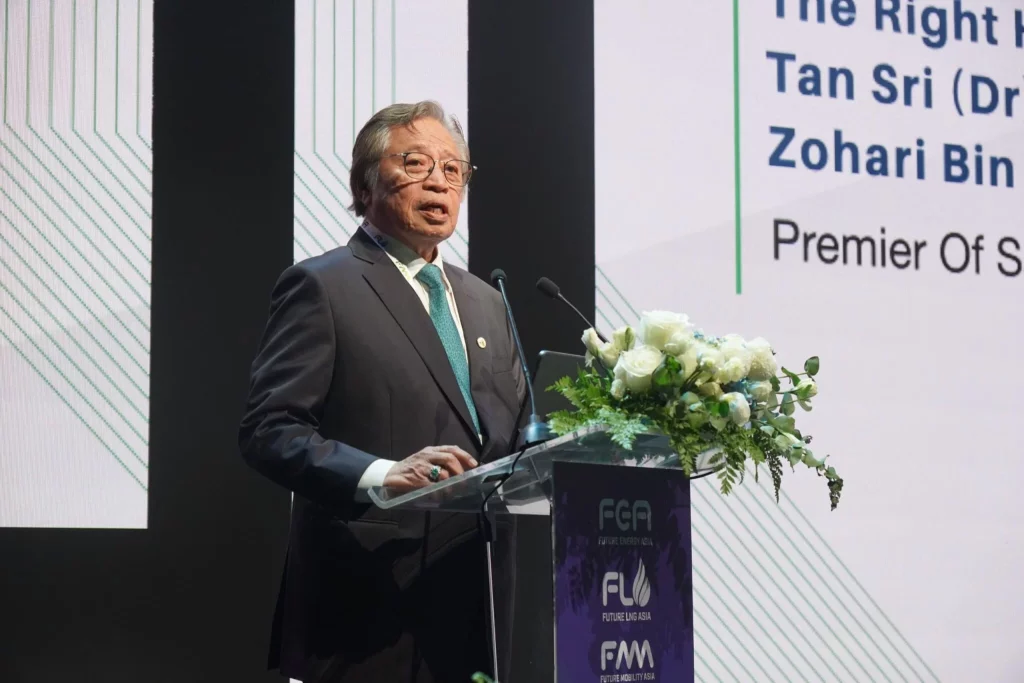
BANGKOK: 10, 20 and 30 are the main numbers for Sarawak’s energy vision moving forward. This grand vision was outlined by Premier Datuk Patinggi Tan Sri Abang Johari Tun Openg, signifying Sarawak’s target of generating 10 gigawatts of energy capacity by the year 2030. “This is a simple way to remember the vision for a sustainable energy future for Sarawak. Our commitment to sustainability and renewable energy remains unwavering. “The generation of the 10 gigawatts of energy will predominantly be sourced from renewable sources such as hydropower, solar, gas turbine, and biomass energy,” he said. He said this during his keynote address at the Future Energy Asia Strategic Summit 2024 here today. Abang Johari said Sarawak is giving priority to investments in renewable energy, particularly renewable hydropower to propel the state’s growth forward with three pivotal targets for the energy sector being outlined. He said the Sarawak’s commitment to renewable hydropower has created opportunities for the state to develop bilateral transmission interconnections with Southeast Asian neighbours. “We are sharing our renewable resources and accelerating regional energy transition. This is in line with our regional renewable energy powerhouse ambitions. “In 2016, we took the first step in driving a Trans Borneo Grid with the commissioning of Sarawak’s first international and transboundary interconnection to West Kalimantan, Indonesia. “Sarawak has continued to build on our strong relationship with our Indonesian neighbours, progressing the Mentarang Induk Hydroelectric Project or MIHEP in North Kalimantan via a joint venture company with our Indonesian partners,” he said. Abang Johari stressed that Sarawak’s commitment to sustainability reaches beyond Borneo as the state is actively contributing to the ASEAN Power Grid initiative. “In collaboration with partners such as Sembcorp Utilities and Singapore Power International, Sarawak Energy Berhad (SEB) has undertaken technical studies for Sarawak-Singapore interconnection. “This project brings us closer to achieving regional energy integration and sustainability goals,” he said.
Malaysia’s Sarawak targets green energy powerhouse status
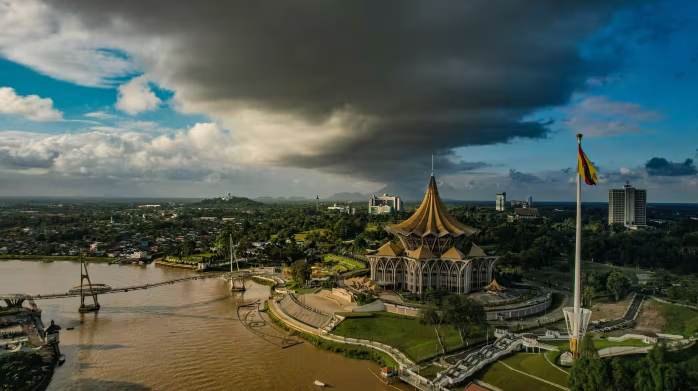
InvestSarawak CEO sees renewables as ‘cornerstone’ of sustainability for state KUCHING, Malaysia — In an ambitious pivot away from its entrenched oil and gas legacy, Malaysia’s Sarawak is working to carve out a new identity as Southeast Asia’s emerging green energy powerhouse, the head of the state’s investment agency told Nikkei Asia. The state, located on the island of Borneo that Malaysia shares with Indonesia and Brunei, possesses immense energy resources. Its operational hydroelectric dams include Bakun and Murum, while the under-construction Baleh Dam is slated to add 1,285 megawatts to the grid by 2026. Sarawak Energy, the state’s power company, estimated that Sarawak has a potential 20,000 MW of hydropower over about 50 sites, of which 3,452 MW has been harnessed. The Bakun Dam, Sarawak’s largest hydroelectric project and one of Southeast Asia’s most significant, was completed in 2011. The 7.4 billion ringgit ($1.56 billion) facility spans the Balui River and boasts a capacity of 2,400 MW. Its construction was part of a broader initiative to reduce reliance on fossil fuels and promote sustainable energy sources within the region. “Sarawak is transcending its traditional energy models to embrace a future where renewable energy is the cornerstone of economic and environmental sustainability,” Timothy Ong, chief executive of InvestSarawak, said in an interview last month. “The future of Sarawak lies in green energy, and our commitment to this vision is unwavering,” Ong said. “Through strategic investments, partnerships, and a dedicated workforce, we are not just imagining a sustainable future; we are actively building it.” The effort is paying off, attracting a slew of foreign direct investment into the green sector. In 2023, Sarawak drew 21.4 billion ringgit in investments, with a significant chunk funneled into manufacturing and renewable energy initiatives, according to Awang Tengah Ali Hassan, the state’s deputy premier, as reported by the state information office earlier this month. State-linked Sarawak Energy signed a memorandum of understanding in October last year with the United Arab Emirates’ Abu Dhabi Future Energy Company, also known as Masdar, as part of joint effort to develop 2 gigawatts of renewable energy projects in Malaysia at an investment value of $8 billion, according to the Malaysian Investment Development Authority. One of the plans includes developing 1 GW of renewable energy projects in Sarawak. Beyond hydropower, Sarawak is also aiming to become a leader in the nascent hydrogen energy industry in the region. Collaborations with Japanese and South Korean companies such as SK Energy, Sumitomo Corp. and Eneos highlight the state’s role in the ongoing international push towards hydrogen as a clean, alternative fuel source. “These ventures bring more than just investments; they bring knowledge and innovation, propelling Sarawak onto the global stage of renewable energy,” Ong said. Sarawak’s green agenda also extends to its burgeoning digital economy, with plans to power tech industries and data centers using renewable energy. The initiative aligns with global demand for sustainable digital infrastructure, marrying digitalization with green energy in a move that Ong describes as “setting the stage for a future where digital and green go hand in hand.” The road to a green future, however, is not without challenges. Sarawak is grappling with the need for skilled manpower and technological skills to drive its renewable ambitions. To this end, Ong said that InvestSarawak is focusing on education enhancements and talent repatriation strategies for “building a future-ready workforce for Sarawak’s renewable energy sector.” Ong said: “We’re focusing on enhancing local education and creating enticing opportunities for our people abroad to return and contribute to our green ambitions. This is more than just a job; it’s about building a sustainable future for our next generations.” Sarawak can play a key role in the renewable energy industry because the state can provide cost-competitive electricity tariffs. Ong reiterated that it will be serving as an anchor for energy intensive digital, advanced manufacturing. “For me, the focus is not on the value of the investment,” he said. “My focus is on our economic complexity. On investment value, it’s pointless if we don’t have sophistication in our supply chain and that is what keeps your multinationals in the state, so you can always have the attraction [for] retention of talents.”
Kerjasama lebih erat antara MINTRED dan MITI tarik pelabur tenaga hijau ke Sarawak
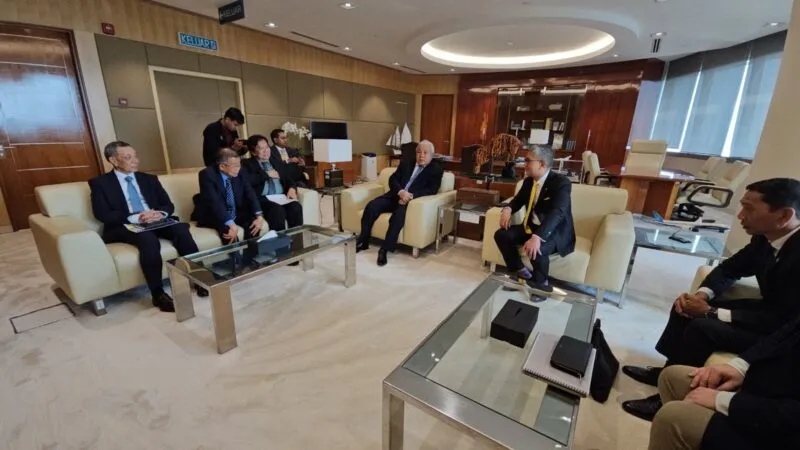
KUCHING, 25 Mac: Dalam usaha menarik lebih banyak pelaburan ke Sarawak, Kementerian Perdagangan Antarabangsa dan Pelaburan (MINTRED) Sarawak menjalinkan kerjasama lebih erat dengan Kementerian Pelaburan, Perdagangan dan Industri (MITI). Timbalan Premier Sarawak Datuk Amar Awang Tengah Ali Hasan berkata perbincangan bersama Menteri Pelaburan, Perdagangan dan Industri, Tengku Datuk Seri Zafrul Tengku Abdul Aziz hari ini merangkumi untuk menjadikan Sarawak sebagai hab tenaga hijau dan diperbaharui di rantau ini. “Ia menjadi keperluan dalam menarik pelaburan yang betul terutamanya pemerangkapan, penggunaan dan penyimpanan karbon (CCUS) dan hidrogen hijau,” katanya dalam kenyataan. Awang Tengah yang juga Menteri Perdagangan Antarabangsa dan Pelaburan Sarawak berkata, perlu ada beberapa insentif disediakan kepada pelabur, malah dasar yang kukuh untuk memudahkan pertumbuhan industri ini. Perbincangan tersebut turut disertai Timbalan Menteri Perdagangan Antarabangsa dan Pelaburan Sarawak, Datuk Dr Malcom Mussen Lamoh, Penasihat MINTRED Dato Sri Mohd Naroden Majais, Setiausaha Tetap MINTRED, Dzulkarnain Misron dan Ketua Pegawai Eksekutif Lembaga Pembangunan Koridor Wilayah (RECODA), Datu Ismawi Ismuni dan Ketua Pegawai Eksekutif InvestSarawak, Timothy Ong – TVS