
Abang Rahmat Yusuf is CEO of Sarawak Sovereign Wealth Future Fund
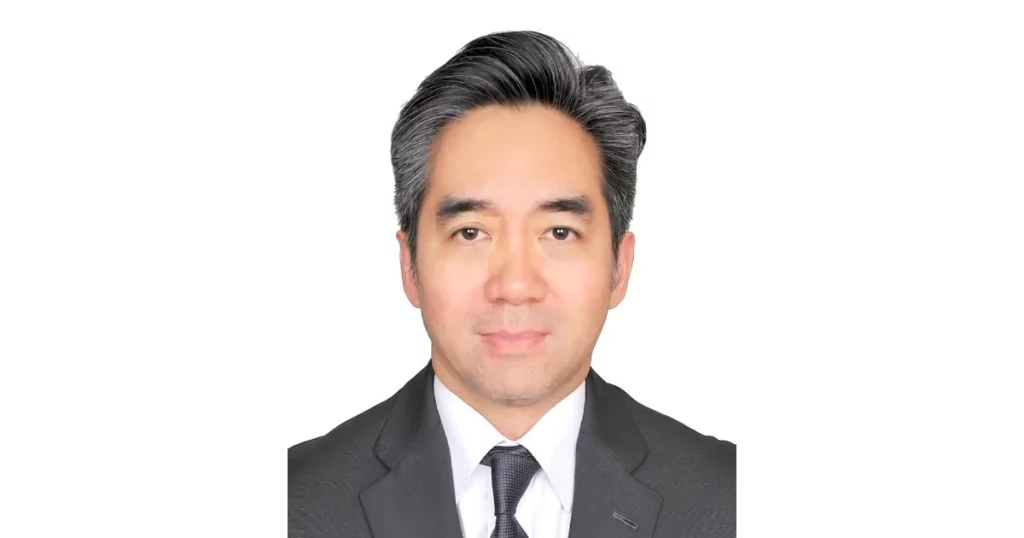
KUCHING: The Board of Guardians of the Sarawak Sovereign Wealth Future Fund has appointed Abang Rahmat Yusuf as the Chief Executive Officer (CEO), effective January 29 this year. The announcement was made after the Board meeting yesterday, according to a press statement. Abang Rahmat, 48, was formerly the head of Investment Banking (Malaysia) at CLSA Securities from 2019 to 2024. During his tenure there, he led the fund raising exercises including initial public offerings (IPOs) and placements for institutional and corporate clients. In the beginning of his corporate career, he was a director in the Investments arm at Khazanah Nasional in 2004 until 2019, during which he established and headed the Khazanah Turkey Regional Office in Istanbul covering Turkey, Middle East and North Africa (MENA) and Sub-Saharan Africa. He was also the Overseeing Director for Financial Institutions Group (FIG), which represented 20 per cent of Khazanah’s portfolio. He holds a Master in Public Administration from Harvard University.
Sarawak welcomes Singaporean investors
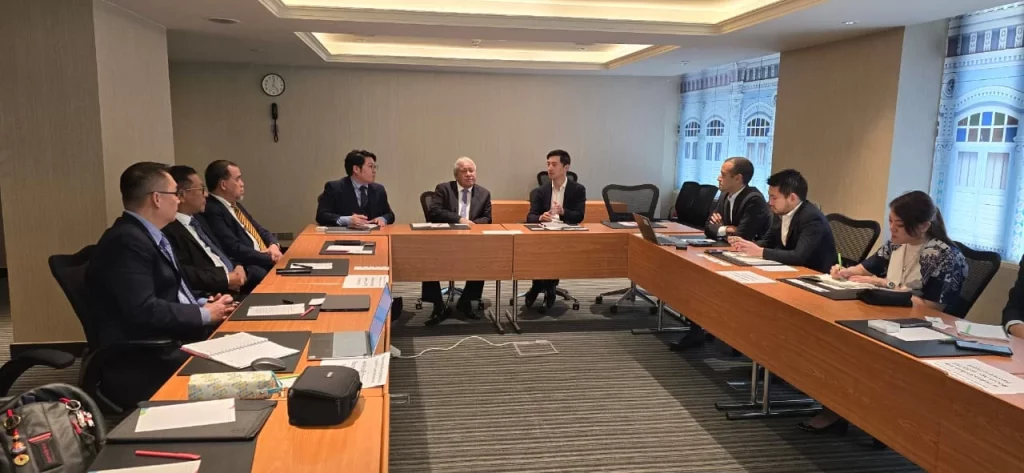
KUCHING: The Sarawak government has consulted with several Singaporean investors to explore investment opportunities especially in renewable energy, green energy and digital economy projects in the state. Deputy Premier, Datuk Amar Awang Tengah Ali Hasan who was in Singapore yesterday engaged with representatives from UOB Group, Eastspring Investments, TWO Family Office and Chemsains Konsultant Sdn Bhd. Awang Tengah welcomes the interest from these companies and expressed his appreciation towards their interests in Sarawak, in line with the Post Covid-19 Development Strategy 2030 (PCDS 2030) for the state to be a thriving society driven by data and innovation. During his visit there, he also met with Kuok Meng Wei who is representing Kuok Group, one of Singapore’s largest conglomerates to discuss potentials in green and renewable energy investment projects in Sarawak. For the record, Kuok is also the chief executive officer (CEO) and managing director of K2 Strategic, an international developer, owner and operator of hyper-scale digital infrastructure assets in the technology sector. Also in attendance were Sarawak Timber Industry Development Corporation (STIDC) general manager, Zainal Abidin Abdullah, STIDC’s advisor, Datuk Hashim Bojet, Invest Sarawak chief executive officer, Timothy Ong and PUSAKA Capital Sdn Bhd chief operating officer, Mohamad Nor Topek Julaihi.
Sumitomo eyes enhanced participation in S’wak’s green projects
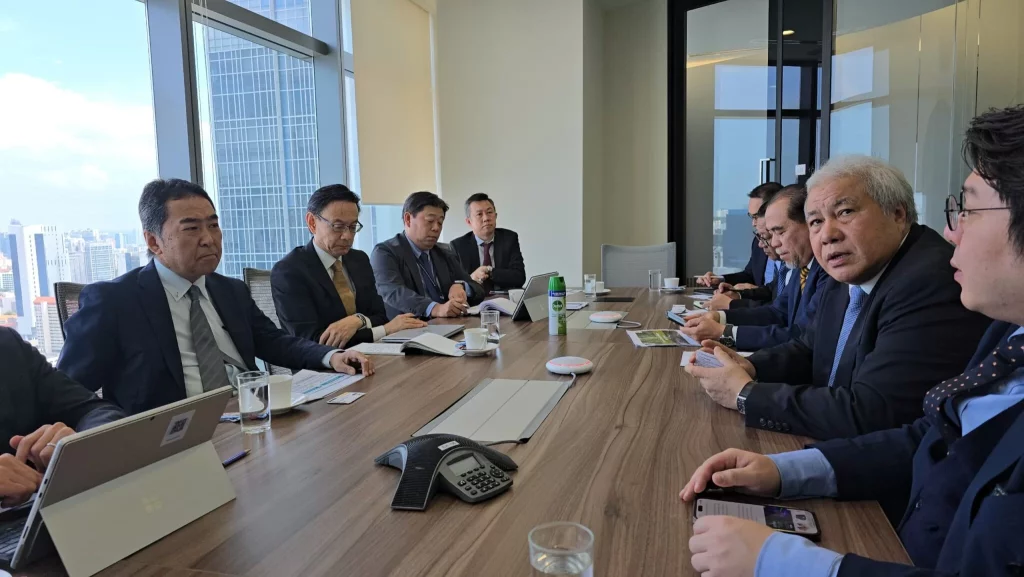
SINGAPORE: Sumitomo Corporation (Sumitomo) has expressed its interest to have greater involvement in Sarawak’s green projects. Among the projects are biomass bamboo, renewal energy, carbon capture, utilisation and storage (CCUS), green metals, chemical and derivates. Deputy Premier Datuk Amar Awang Tengah Ali Hasan welcomes Sumitomo to explore and invest in the bamboo plantation project. He also invited Sumitomo to look into the new economic sectors including the green and digital economy. Earlier today, Awang Tengah, who is also Minister of International Trade, Industry and Investment, met with Sumitomo Corporation Asia and Oceania Group chief executive officer (CEO) Keigo Shiomi to discuss more collaboration opportunities. Sumitomo has several collaborations in Sarawak and is currently developing a hydrogen related production project in Bintulu. Meanwhile, also in attendance during the meeting were Sarawak Timber Industry Development Corporation (STIDC) general manager Zainal Abidin Abdullah, STIDC advisor Datuk Hashim Bojet, InvestSarawak CEO Timothy Ong, and PUSAKA Capital Sdn Bhd CEO Mohamad Nor Topek Julaihi.
Bintulu’s Samalaju Industrial Park nets RM111.73b approved investment since 2008 launch, says Sarawak premier
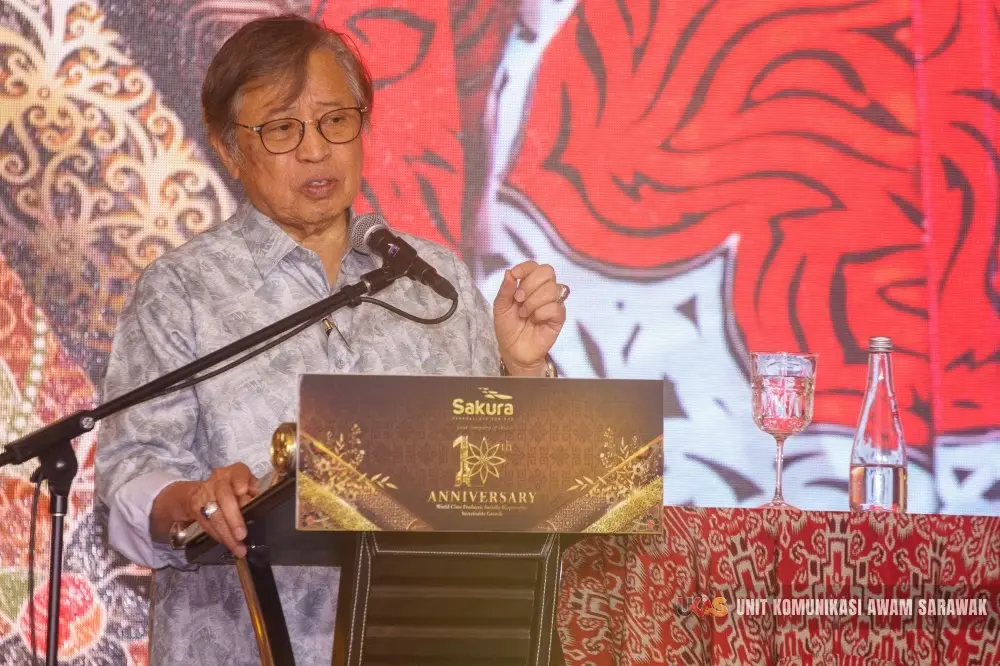
BINTULU, March 5 — Premier Tan Sri Abang Johari Openg said last night that Samalaju Industrial Park, which was launched by the then prime minister Tun Abdul Ahmad Badawi in 2008, has attracted an approved investment of RM111.73 billion to date. He said RM12.07 billion out of the total has gone towards commercial production, with direct employment for 9,293 workers. “The potential is there. We have a list of companies which are going to invest in the park, with an anticipated investment of RM15.66 billion,” he said during the 10th anniversary of Sakura Ferroalloys Sdn Bhd. He said there are also a few projects that are being enhanced, one of which is the 70km-long Bintulu-Samalaju gas pipeline that is scheduled for completion at the end of next year. “The operations of these projects will increase the distribution of gas supply to users in Samalaju Industrial Park including the combined cycle gas turbine which is currently under construction. “In other words, we are upgrading the gas supply as well as power to Samalaju Industrial Park,” he said. In his speech earlier, Sakura Ferroalloys Sdn Bhd chairman BH (Tiaan) van Aswegen said the company is in the process of constructing a new sinter plant at the site. “This US$30 million plant will be commissioned in the second half of 2024 and will contribute to further improve plant efficiencies and lower the cost base,” he said. He said a feasibility study to produce a value-added refined ferro-manganese product will be concluded by mid-year. “If the study results are positive, this might lead to a further investment of around US$100 million at Sakura,” he said, adding that studies to produce by-products from current waste streams, such as slag, fumes and gas, are being pursued.
Japan’s Sumitomo and Eneos toproduce green hydrogen in Malaysia
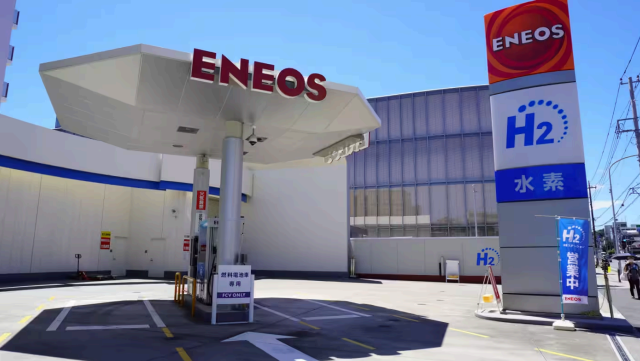
Hydroelectric-derived power will boost decarbonization drive TOKYO — Oil company Eneos and trading house Sumitomo Corp. will produce “green”hydrogen in Malaysia and export much of it to Japan under plans announced Monday,hoping to further diversify the supply of the fuel essential for decarbonization. The two Japanese companies have signed an agreement with SEDC Energy, a subsidiaryof the Sarawak Economic Development Corp. set up by the Malaysian state of Sarawak.They will also consider establishing a special-purpose company with the Malaysianpartner. Power from hydroelectric plants will be used to electrolyze water to produce the greenhydrogen without emitting carbon dioxide. The aim is to produce 90,000 tonnes a yearby 2030. The scale of investment will be finalized moving forward. SEDC Energy will take the lead on power procurement and hydrogen production, withEneos to provide technical support for the production. Eneos will also contributeproprietary technology for transporting the hydrogen by sea at room temperature.Sumitomo will evaluate project feasibility and financing. Hydrogen, which does not produce CO2 when burned, is essential for decarbonizationin such fields as power generation, transportation and manufacturing. But it isexpensive to produce in Japan, where renewable-energy costs are high. The Japanese government has set a goal of increasing the supply of hydrogen in Japanto 3 million tonnes per year by 2030, and Eneos and Sumitomo are working to produceand transport green hydrogen from around the world.
InvestSarawak jalin kerjasama dengan Alliance Bank Malaysia Berhad dan UNGCMYB
Premier: Sarawak now one of preferred investment destinations in Malaysia, thanks to business-friendly policies
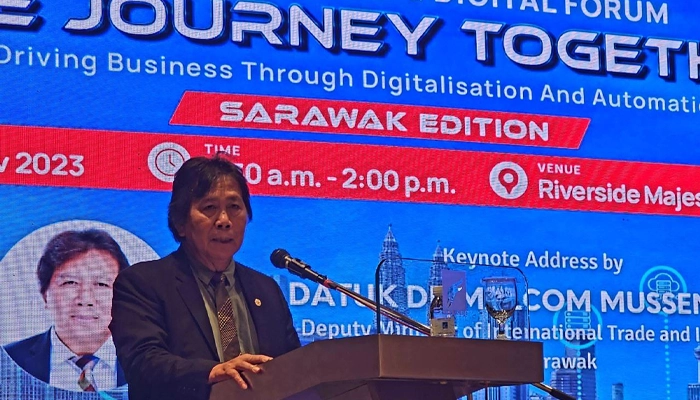
KUCHING (Nov 7): Sarawak’s business-friendly policies have led the state to be one of the most preferred investment destinations in Malaysia, said Premier Datuk Patinggi Tan Sri Abang Johari Tun Openg. He said the policies are aimed at boosting investor confidence and fostering economic growth in the state. “This is supported by the facilitation of Foreign Direct Investments (FDIs) into the state, particularly in high-value sectors such as renewable energy, digital technology, ecotourism, and agrotechnology. “This points to Sarawak’s commitment to attracting investments in these promising areas.” He said this in his keynote address at the Malaysian Industrial Development Finance Berhad (MIDF) Automation and Digital Forum (Sarawak Edition) at a hotel here today. His text of speech was read by Deputy Minister of International Trade and Investment, Datuk Malcolm Mussen Lamoh. In an effort to stimulate economic growth in the state, Abang Johari said the state government had allocated RM7 million to InvestSarawak, an entity aimed at attracting FDIs into Sarawak. This allocation is part of an effort to attract both local and foreign investors and drive economic development in the state, he added. Furthermore, he pointed out, the state government is also placing a strong emphasis on supporting young entrepreneurs in their business post-pandemic recovery efforts – which underscores the crucial role of entrepreneurship in fostering innovation, job creation and overall economic growth. “Specific funding allocations have been outlined for programmes like the Special Relief Fund, Targeted Relief & Recovery Facility (TRRF), Penjana Tourism Fund (PTF), Skim Kredit Mikro Sarawak, Skim Pinjaman Industri Kecil dan Sederhana (SPIKS), Graduan ke Arah Keusahawanan (Gerak), Usahawan Teknikal & Vokasional (Ustev), Transformasi Usahawan Desa Sarawak, and the ‘Go Digital Programme.’ “These allocations are aimed at supporting various segments of the entrepreneurial ecosystem,” he said.
Sarawak attracts interest for renewable energy development from United Arab Emirates
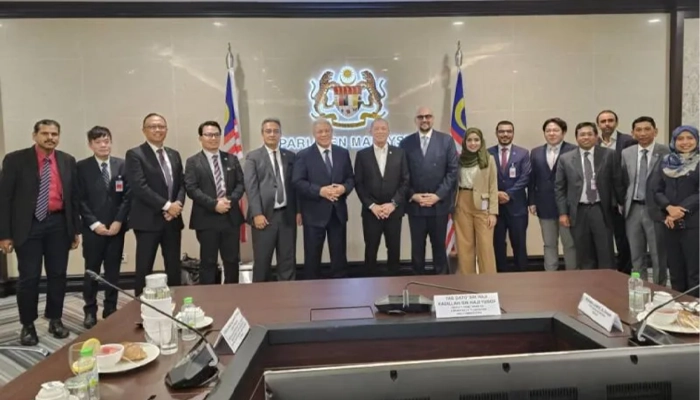
KUCHING, Nov 2: Deputy Prime Minister Dato Seri Fadillah Yusof and Deputy Premier of Sarawak Datuk Amar Awang Tengah Ali Hasan have met with Abu Dhabi Future Energy Company (Masdar) chief executive officer (CEO) Mohamed Jameel Al Ramahi to discuss the country’s potential investment in renewable energy projects in Sarawak. According to a press release issued today, Awang Tengah, who is also International Trade, Industry, and Investment (Mintred) Sarawak minister and Natural Resources and Urban Development second minister, welcomed Masdar to explore investment opportunities in Sarawak and explained that the development of green renewable energy, particularly solar energy, is strongly encouraged under Sarawak’s economic development strategy that incorporates sustainability. “Sarawak is very committed and serious in developing carbon capture, utilisation and storage (CCUS) and has put in place the rules, regulations, and standards to facilitate the development of this industry, one of the first in the region,” read the press release.It continued stating: “Masdar, the Abu Dhabi Future Energy Company, is a global leader in renewable energy and sustainable technologies. “In October this year, Masdar has signed a Memorandum of Understanding (MoU) with the Malaysian Investment Development Authority (MIDA) to invest US$8 billion for up to 10 gigawatts (GW) of renewable energy projects in a strategic partnership that will significantly contribute to Malaysia’s sustainable energy transformation.”The press release noted that Awang Tengah thanked Fadillah, who is also Plantation and Commodities (KPK) minister, for arranging the meeting and will facilitate the company in their endeavour as they seek out opportunities in Sarawak. Also present at the meeting were Mintred acting permanent secretary Dzulkornain Masron; Ministry of Energy and Environmental Sustainability (Meesty) permanent secretary Abang Ahmad Morni, Land and Survey Department Sarawak director Datu Abdullah Julaihi, Petros senior vice president corporate strategy Abang Arabi Abang Narudin, Sarawak Energy Berhad (Sarawak Energy) Business Development senior manager II Nicholas Chong, Invest Sarawak CEO Timothy Ong, and senior officials from MIDA. – DayakDaily
Ports in Sarawak as key drivers for trade, economic activities
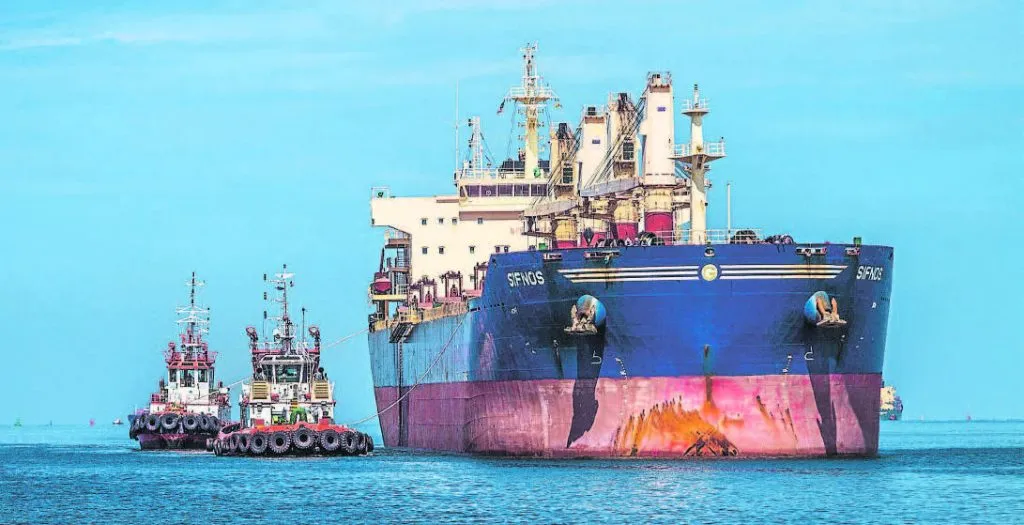
Six major ports function as crucial transhipment hubs that play integral roles in the state’s supply chain by NURUL SUHAIDI PORTS facilitate trade, transportation and economic growth. They are key connectors between land and sea, allowing for the efficient movement of goods, people and resources. As a crucial connection between sea and land movement, ports support economic activities and growth for the respective state, as well as the country. One of the factors that is expected to boost the economic growth of Sarawak is the Pan Borneo Highway (PBH), a significant infrastructure initiative that will transform transportation and accessibility in Sarawak. The 786.41km highway stretches from Teluk Melano down south up to Miri in the north and is expected to improve connectivity to the interiors of Sarawak. Transport analyst YS Chan said PBH Sarawak will be beneficial to strengthen and allow more shipments of raw material through the ports in Sarawak. “With larger areas in Sarawak made more accessible by the highway, there will be new developments such as agriculture and manufacturing, resulting in more shipments of raw materials and manufactured goods through Sarawak’s ports,” he told The Malaysian Reserve (TMR). As for the peninsula, Chan said the port in Singapore is likely to benefit more from the PBH than the ports in Johor Baru, Kuantan and Port Klang. “Singapore’s role as an ‘entrepot’ is phenomenal, as it is super-efficient, and much of our exports especially down south are sent through Singapore,” he added. According to Kuching Port Authority (KPA), the first organised port in the state, the PBH will help expedite the movement of goods into and out of Kuching Port in respect to other parts of Sarawak. On the possibility of new ports in Sarawak, KPA said the state government is conducting a feasibility study on a new deep-sea port at Tanjung Embang, Kuching. In addition to that, Rajang Port Authority (RPA) GM Helen Lim Hui Shyan said Rajang Port will take measures to complement the new highway infrastructure, which is set to provide a vital link between the hinterland and the state’s inner core. The improved connectivity can lead to increased trade, investment and business activities. In Sarawak, six ports act as a major cargo-handling transhipment ports which are the integral parts of its supply chain. They are the Bintulu, Kuching, Miri, Samalaju, Rajang and Tanjung Manis Ports. Bintulu Port Lying on the western coastline of Sarawak, near the Bintulu city, this port is the major maritime gateway to Eastern Malaysia, comprising the regions of Sabah, Sarawak and Labuan. This deepwater seaport handles petroleum and its derivatives, as well as liquefied natural gas (LNG), crude oil, liquefied petroleum gas (LPG), urea, fertilisers, timber and palm oil. Over 7,000 ships visit the port annually, and it has a handling capacity of more than 69 million tonnes and more than 390 twenty-foot equivalent unit (TEU). Operated by Bintulu Port Sdn Bhd (BPSB), Bintulu Port’s location is crucial since it connects Borneo Island to other countries like Indonesia and the Philippines, where it is expected to become a major LNG trade hub. About 76% of the cargo handled at this port comprises liquid bulk. It has also witnessed appreciable growth in container traffic in recent years and handled around 348,000 TEUs in 2018. Due to its strategic position, it is expected to emerge as the region’s significant LNG trade centre. The container-handling facility and the oil wharf are now being expanded. Soon, new cargo compositions like those containing aluminium, pulp and paper, biodiesel, downstream forest products and agricultural products will pass through Bintulu Port. It is a multipurpose facility comprising three berths for handling conventional cargo, two berths for handling bulk and breakbulk, seven jetties for accommodating LNG tankers and an expansive container terminal. BPSB’s existing hinterland extends as far north as Limbang and Lawas in Sarawak and to Sabah and Brunei. In the other direction (south-east), BPSB’s coverage extends as far as Pontianak in Kalimantan, Indonesia, and Kuching. Kuching Port The KPA was established in 1961 under the Port Authorities Ordinance 1961. This port has grown to become the state’s premier port, serving numerous shipping lines connecting it to the regional hub ports. Kuching Port is equipped with two terminals, namely the Pending Terminal with an annual capacity of 2.9 million tonnes and the Senari Terminal with an annual capacity of seven million tonnes. Both have convenient access to highways and coastal routes, as well as to all major towns in Sarawak. They are also situated in close proximity to industrial estates which facilitates smooth cargo movement. Kuching Port’s main operations are handling containers, general cargo and roll-on/roll-off cargo (Ro-Ro) and vehicles. Among the top export commodities KPA deals with are steel, iron and metal products, groceries, food and beverages, dry bulk cargo, consumer products, vehicle parts, hardware and building materials, electricals and electronic apparatus, wood and timber products, as well as live animals. Serving as a trade gateway for the southern region of Sarawak, Kuching Port facilitates imports and exports. It complements other ports like Bintulu, Samalaju, Rajang, and Tanjung Manis Ports serving the central region, while Miri Port serves the northern region. Kuching Port implemented the Vessel Traffic Management System (VTMS) in 2023 and it plans to expand its port capacity to handle more cargo, for example, by adding a Ro-Ro yard, free zone, wharf, warehouses and container yard. KPA looks to install two new quay cranes next year. To keep up with digitalisation, KPA will also move towards computerising more of its operations, for example, online applications via mobile devices. Miri Port This port is located at the mouth of the Miri River. Known as a shallow general cargo port, it has offshore tanker facilities at Lutong and is the largest oil export port in Malaysia. The port deals with major commodities such as iron and steel, household goods, electrical appliances, machinery, heavy tractors, foodstuff, cereals, timber or sawn timber, petroleum, petroleum products and LNG. The port also has a timber terminal, as well as passenger and general