
Sarawakians can apply for carbon trading licences online from December
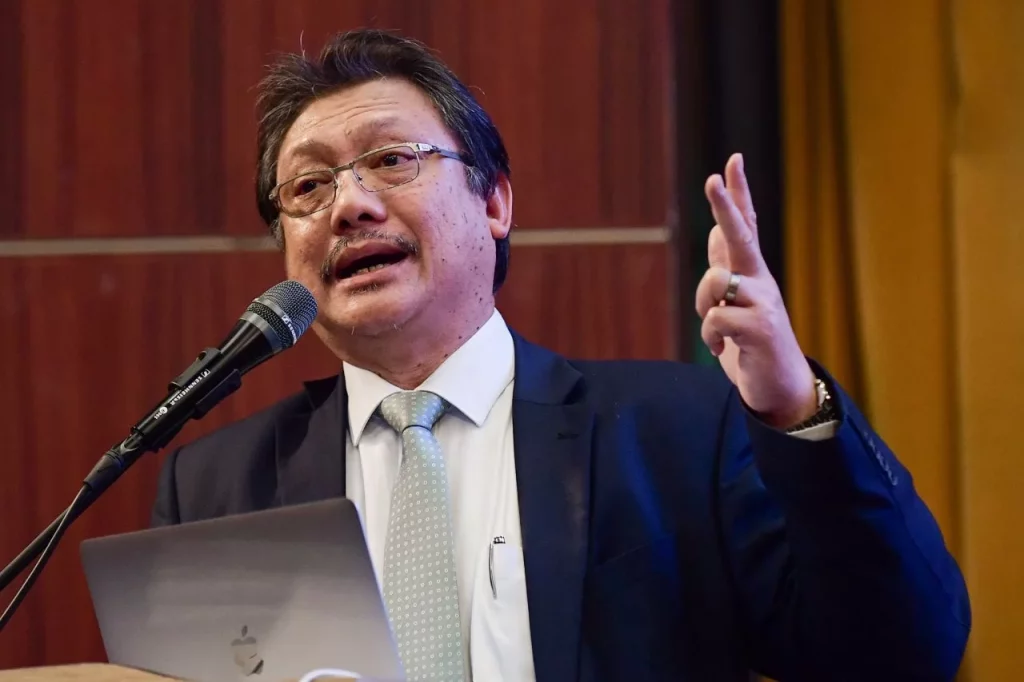
KUCHING: Sarawakians can now participate in carbon trading, with online licence applications opening in December. Deputy Minister of Energy and Environmental Sustainability Datuk Dr. Hazland Abang Hipni, said that those with at least 100 hectares of land can apply for a carbon trading licence. He said the eligible land must be privately owned with a grant or be surveyed as Native Customary Rights (NCR) land. “Carbon trading offers a new income source for the people. Licences can be obtained through our ministry. “We also permit smaller land parcels to be combined to meet the 100-hectare requirement, subject to certain conditions. “All relevant information will be available by December. Online applications will open then, with applicable fees and so on,” he said when officiating at the Sarawak Lestari ‘Keterangkuman’ Seminar at Pustaka Sarawak today. In addition to being taxed, Dr. Hazland noted that registered landowners will face restrictions, including a prohibition on tree cutting according to a set cycle. For the first cycle, trees in the licensed area cannot be cut for 30 years. He urged Sarawakians, especially villagers, to engage in this nature-based climate solution. “This is an easy way for people to contribute to climate solutions. Just plant trees. “If global carbon emissions are not addressed, by 2050, the temperature increase will be much higher, causing irreversible damage to the planet. “The 17th Sustainable Development Goal (SDG) – partnership for the goals, is crucial. We all must play our part,” he said.
Awg Tengah: Talent devt across various sectors vital in ensuring Sarawak’s status on global platform
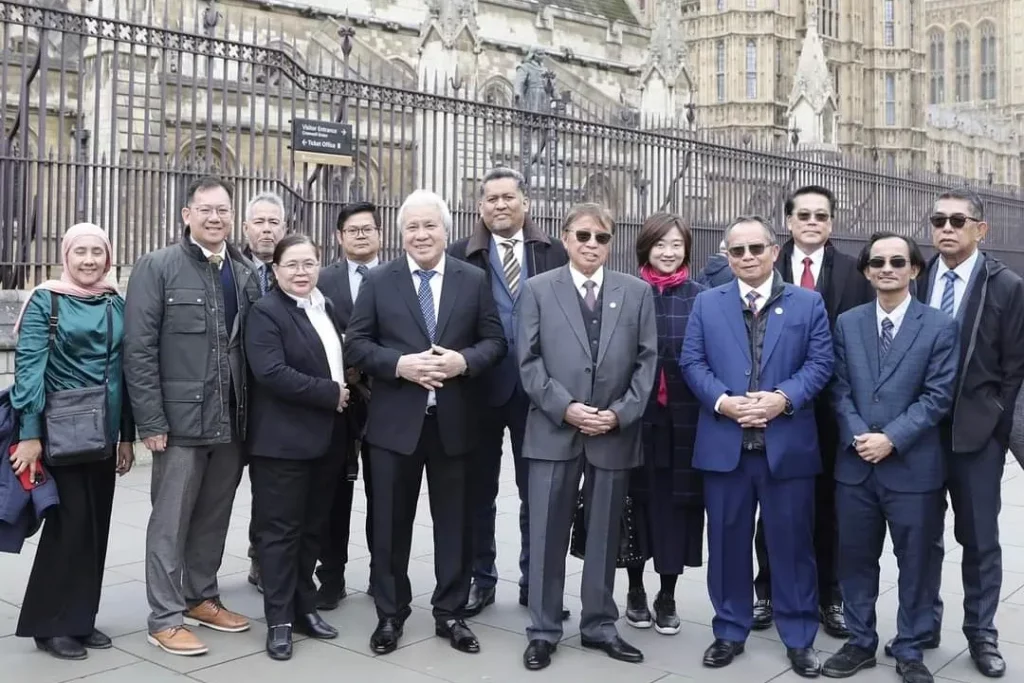
KUCHING (April 24): Sarawak is looking into developing talents in the design of semiconductor products using silicon, germanium and gallium arsenide, says Deputy Premier Datuk Amar Awang Tengah Ali Hasan. He was cited by Sarawak Public Communications Unit (Ukas) in a report as saying that this could be achieved by enhancing collaboration with industry players in the UK. “Talent development in various sectors for the people of Sarawak is important to ensure Sarawak’s position in the global platform. “Sarawak designers are capable of being on par with international designers, given that there are now foreign companies that have bought semiconductor products produced in Sarawak,” said Awang Tengah, who is part of the Sarawak delegation led by Premier Datuk Patinggi Tan Sri Abang Johari Tun Openg in a working visit to the UK. They inspected the advanced technology employed at the Drax Power Station and oversaw the signing of a memorandum of understanding between Sarawak Microelectronics (SMD) Semiconductor and UK-based CSA Catapult. The delegation is now in Poznan, Poland where the Premier is set to present Sarawak’s role in renewable energy security, decarbonisation, and environmental sustainability at the Central European Hydrogen Technology Forum. On another matter, Awang Tengah, who is also the Second Minister of Natural Resources and Urban Development, said Samalaju High Tech Park remained one of the good locations for foreign companies to come and establish their companies with a workforce made up of local residents, and it could also be used as a place where talent development could be forwarded. On biomass technology, Awang Tengah – also the Minister of International Trade, Industry and Investment Sarawak – said the visit to the Drax Power Plant in Leeds in the UK, was very fruitful and significant because it showed the delegation present how wood pellets were used to generate clean energy in the United Kingdom. “In this regard, a local company like Samling has exported wood pellets to foreign countries for that purpose. “Therefore, we have the potential to develop technology using wood pellets to generate energy in the near future,” he said.
Malaysia’s Sarawak targets green energy powerhouse status
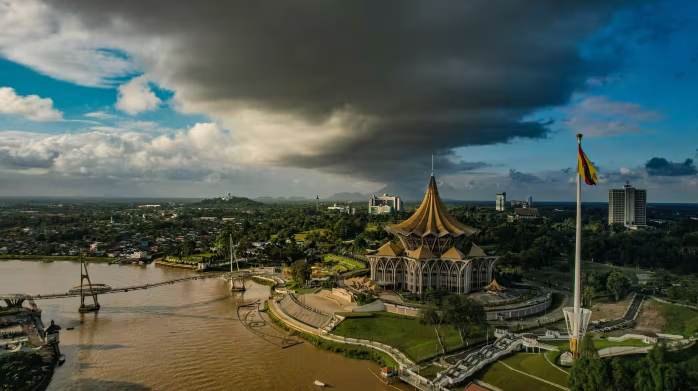
InvestSarawak CEO sees renewables as ‘cornerstone’ of sustainability for state KUCHING, Malaysia — In an ambitious pivot away from its entrenched oil and gas legacy, Malaysia’s Sarawak is working to carve out a new identity as Southeast Asia’s emerging green energy powerhouse, the head of the state’s investment agency told Nikkei Asia. The state, located on the island of Borneo that Malaysia shares with Indonesia and Brunei, possesses immense energy resources. Its operational hydroelectric dams include Bakun and Murum, while the under-construction Baleh Dam is slated to add 1,285 megawatts to the grid by 2026. Sarawak Energy, the state’s power company, estimated that Sarawak has a potential 20,000 MW of hydropower over about 50 sites, of which 3,452 MW has been harnessed. The Bakun Dam, Sarawak’s largest hydroelectric project and one of Southeast Asia’s most significant, was completed in 2011. The 7.4 billion ringgit ($1.56 billion) facility spans the Balui River and boasts a capacity of 2,400 MW. Its construction was part of a broader initiative to reduce reliance on fossil fuels and promote sustainable energy sources within the region. “Sarawak is transcending its traditional energy models to embrace a future where renewable energy is the cornerstone of economic and environmental sustainability,” Timothy Ong, chief executive of InvestSarawak, said in an interview last month. “The future of Sarawak lies in green energy, and our commitment to this vision is unwavering,” Ong said. “Through strategic investments, partnerships, and a dedicated workforce, we are not just imagining a sustainable future; we are actively building it.” The effort is paying off, attracting a slew of foreign direct investment into the green sector. In 2023, Sarawak drew 21.4 billion ringgit in investments, with a significant chunk funneled into manufacturing and renewable energy initiatives, according to Awang Tengah Ali Hassan, the state’s deputy premier, as reported by the state information office earlier this month. State-linked Sarawak Energy signed a memorandum of understanding in October last year with the United Arab Emirates’ Abu Dhabi Future Energy Company, also known as Masdar, as part of joint effort to develop 2 gigawatts of renewable energy projects in Malaysia at an investment value of $8 billion, according to the Malaysian Investment Development Authority. One of the plans includes developing 1 GW of renewable energy projects in Sarawak. Beyond hydropower, Sarawak is also aiming to become a leader in the nascent hydrogen energy industry in the region. Collaborations with Japanese and South Korean companies such as SK Energy, Sumitomo Corp. and Eneos highlight the state’s role in the ongoing international push towards hydrogen as a clean, alternative fuel source. “These ventures bring more than just investments; they bring knowledge and innovation, propelling Sarawak onto the global stage of renewable energy,” Ong said. Sarawak’s green agenda also extends to its burgeoning digital economy, with plans to power tech industries and data centers using renewable energy. The initiative aligns with global demand for sustainable digital infrastructure, marrying digitalization with green energy in a move that Ong describes as “setting the stage for a future where digital and green go hand in hand.” The road to a green future, however, is not without challenges. Sarawak is grappling with the need for skilled manpower and technological skills to drive its renewable ambitions. To this end, Ong said that InvestSarawak is focusing on education enhancements and talent repatriation strategies for “building a future-ready workforce for Sarawak’s renewable energy sector.” Ong said: “We’re focusing on enhancing local education and creating enticing opportunities for our people abroad to return and contribute to our green ambitions. This is more than just a job; it’s about building a sustainable future for our next generations.” Sarawak can play a key role in the renewable energy industry because the state can provide cost-competitive electricity tariffs. Ong reiterated that it will be serving as an anchor for energy intensive digital, advanced manufacturing. “For me, the focus is not on the value of the investment,” he said. “My focus is on our economic complexity. On investment value, it’s pointless if we don’t have sophistication in our supply chain and that is what keeps your multinationals in the state, so you can always have the attraction [for] retention of talents.”
Sarawak To Allign With EU On Energy Production
Sarawak Premier Tan Sri Abang Johari Openg recently announced their cooperation with the European Union (EU) in the energy production sector to reduce the effects of climate change. The cooperation was revealed during his speech at the dinner event held in conjunction with the launch of Invest Sarawak and Business Day, that has been attended by over 400 guests, including state Cabinet ministers, business representatives and 23 delegates from the EU. Abang Johari said the cooperation will involve technological development, especially in hydrogen production. “In line with technology advancement that will reduce dependence on fossil energy, which is constantly increasing in cost, I believe that the cost for hydrogen production will become cheaper within the next five to 10 years,” he said. He said Sarawak is taking the issue of global warming seriously, adding that the state wants to help reduce carbon emissions and the impact of climate change, which resulted in the highest temperature reading last year.
Kerjasama lebih erat antara MINTRED dan MITI tarik pelabur tenaga hijau ke Sarawak
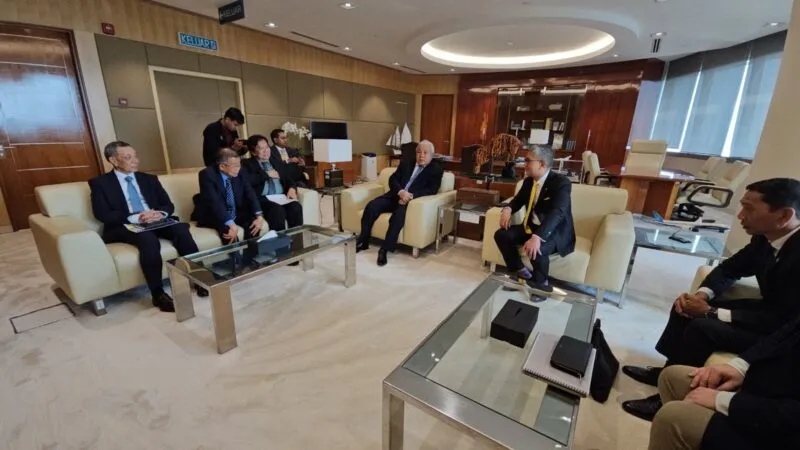
KUCHING, 25 Mac: Dalam usaha menarik lebih banyak pelaburan ke Sarawak, Kementerian Perdagangan Antarabangsa dan Pelaburan (MINTRED) Sarawak menjalinkan kerjasama lebih erat dengan Kementerian Pelaburan, Perdagangan dan Industri (MITI). Timbalan Premier Sarawak Datuk Amar Awang Tengah Ali Hasan berkata perbincangan bersama Menteri Pelaburan, Perdagangan dan Industri, Tengku Datuk Seri Zafrul Tengku Abdul Aziz hari ini merangkumi untuk menjadikan Sarawak sebagai hab tenaga hijau dan diperbaharui di rantau ini. “Ia menjadi keperluan dalam menarik pelaburan yang betul terutamanya pemerangkapan, penggunaan dan penyimpanan karbon (CCUS) dan hidrogen hijau,” katanya dalam kenyataan. Awang Tengah yang juga Menteri Perdagangan Antarabangsa dan Pelaburan Sarawak berkata, perlu ada beberapa insentif disediakan kepada pelabur, malah dasar yang kukuh untuk memudahkan pertumbuhan industri ini. Perbincangan tersebut turut disertai Timbalan Menteri Perdagangan Antarabangsa dan Pelaburan Sarawak, Datuk Dr Malcom Mussen Lamoh, Penasihat MINTRED Dato Sri Mohd Naroden Majais, Setiausaha Tetap MINTRED, Dzulkarnain Misron dan Ketua Pegawai Eksekutif Lembaga Pembangunan Koridor Wilayah (RECODA), Datu Ismawi Ismuni dan Ketua Pegawai Eksekutif InvestSarawak, Timothy Ong – TVS
Collaborate with Transport Ministry to encourage use of rivers to transport bulky goods, Lee to SRB
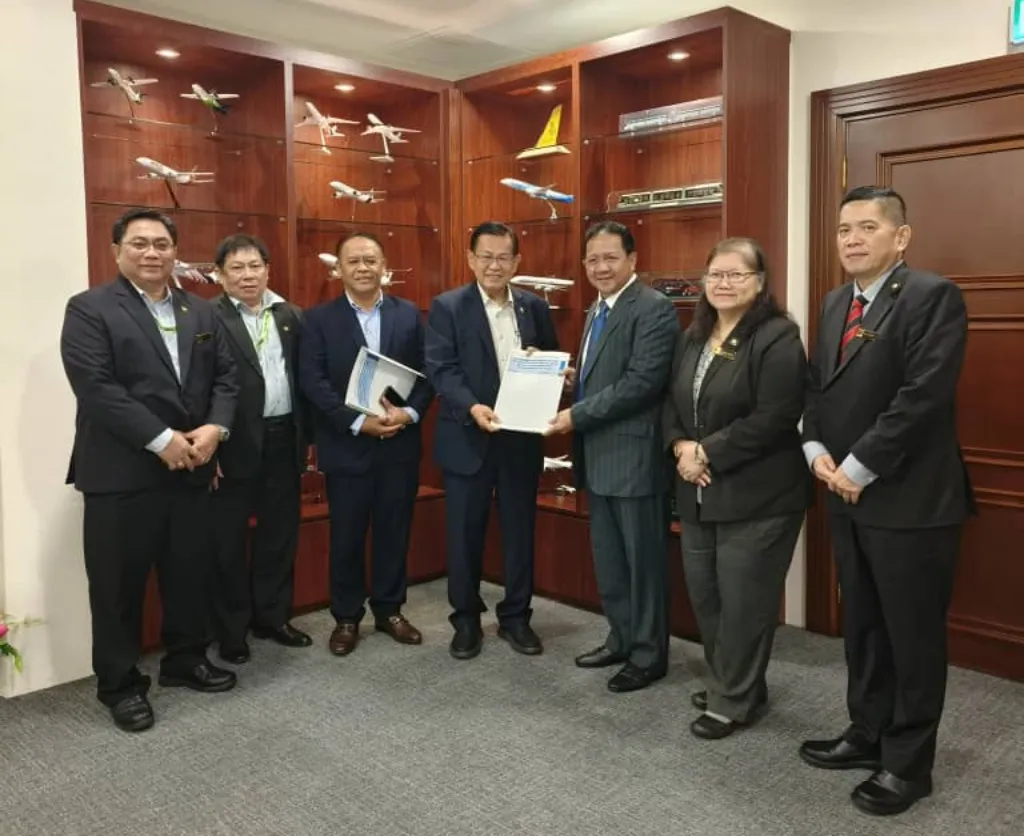
KUCHING (March 16): The Sarawak Rivers Board (SRB) is called to work alongside the state Transport Ministry to encourage the use of rivers for transportation of bulky goods instead of relying on roads, said its minister Dato Sri Lee Kim Shin. “If more heavy cargo can be transported via rivers, there will be less damage on our roads and this will also reduce traffic congestion and accidents,” he said. He said this during a courtesy call paid by newly-appointed SRB chairman Safiee Ahmad at Bangunan Baitulmakmur on Wednesday. Safiee was appointed to the post effective Jan 1 this year. Meanwhile, in a statement by the ministry, the courtesy call was to seek Lee’s advice on the ministry’s present and future plans, as well as the directions set for the board. During the meeting, Lee emphasised the ministry’s vision to develop and modernise Sarawak’s navigable commercial river system as part of the transportation and logistics network. He also requested Safiee work with SRB’s management to improve its organisational structure for more efficient and effective discharging of duties, responsibilities and service delivery. Also present were Deputy Minister of Transport (Riverine and Maritime) Datuk Henry Harry Jinep; the ministry’s permanent secretaries Dato Alice Jawan Empaling and Selamat Jati Yanjah; and ministry administrative officer Teo Swee Ann. Accompanying Safiee was SRB controller Lt Col (Rtd) Ding Tiew Wong.
China’s largest green hydrogen refuelling station is selling H2 at a seventh of the cost of the fuel in California
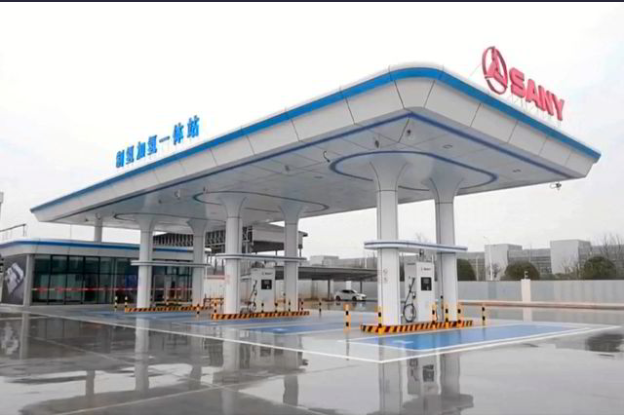
Sany claims its integrated production and fuelling complex supplies hydrogen at cost parity with diesel The largest integrated green hydrogen production and refuelling complex in China is able to supply hydrogen at 35 yuan per kilo ($4.86/kg), near cost parity with diesel, according to reporting by the Chinese newspaper Hunan Daily. Unlike the vast majority of China’s hydrogen refuelling stations, engineering firm Sany’s filling spot in the city of Changsha, Hunan province, which entered into a testing phase this week, produces its own H2 onsite via alkaline electrolysers, thus avoiding transportation costs. The electrolysers are capable of producing up to 180kg an hour, but the pumps can only dispense two tonnes per day — enough to fill up more than 100 vehicles. By way of comparison, hydrogen fuel is being sold at the pump elsewhere in China for 75 yuan per kilo — which is still cheaper than in other countries. The largest H2 fuel market in the US, California, is currently seeing pump prices of $36/kg — more than seven times higher than the Changsha facility — while in Germany, Europe’s largest market, current per-kg prices are between €12.85 and €15.75 ($14-16.60). If the price of H2 fuel in China drops below 30 yuan per kilogram, such as via future technology upgrades, “hydrogen fuel vehicles are more competitive than diesel vehicles” even without subsidies, said Wang Zhimin, director of Sany Hydrogen Energy Hydrogenation Equipment Institute. While hydrogen is often highlighted as a way to decarbonise heavy, long-haul transport, the switch from existing trucks will depend on logistics firms committing to high upfront costs or renting from emerging pay-to-use schemes such as a programme run by Shell in Germany. However, because diesel is already a relatively expensive fossil fuel, particularly in markets with higher taxes, some green hydrogen investors have suggested that the cost gap is easier to bridge than with cheap natural gas or even grey H2, potentially making it an easier sell for use in road transport than by industrial offtakers. But others have pointed out that most of the pump price at hydrogen refuelling sites is not based on the price of the H2 molecule, but the capex of the filling station as well as extra costs from compression and maintenance. While Sany appears to be leveraging economies of scale, the 37-million-yuan station will not be open to the public but rather supply fuel-cell trucks used in company operations — which could limit its utilisation rate. Similarly, although the engineering firm uses solar panels to power the electrolysers, it is unclear whether the complex has another source of renewable electricity or uses grid power for production during night.
Singapore leads Asian peers in attracting foreign investments: Report
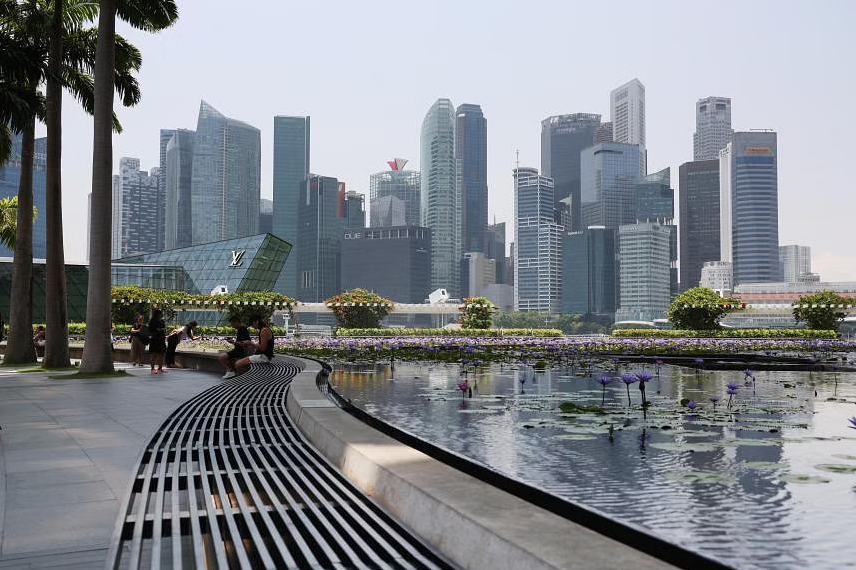
SINGAPORE – Singapore is the most attractive country in the region for foreign investments, but it falls behind some advanced economies in terms of environmentally friendly and socially inclusive growth, according to a new index. The Milken Institute’s Global Opportunity Index ranked Singapore first among its Asian neighbours in 2023, and 14th among the 130 countries studied globally – up four places from 2022. Hong Kong at 15th and Japan at one spot below were the other two Asian economies in the top 20 globally. Denmark came in first globally, with Sweden dropping to second, followed by Finland in third. The United States moved up one spot to fourth. Dr Maggie Switek, the Milken Institute’s senior director and the report’s lead author, told The Straits Times that Singapore’s climb up the league table was due to relatively strong economic growth. Its high position was also driven mainly by its strength in “business perception”, which measures the ease of doing business and the regulatory framework facilitating contract enforcement and dispute resolution. It also fared well in the “institutional framework” category, which assesses the extent to which a country’s institutions safeguard the rights of investors and the safety of their assets. The country led the way in the subcategories of investor rights and transparency. “It means that overall investment conditions remain strong, which is also reflected in Singapore’s capital inflows. The strength of investor rights coupled with its relatively low business constraints mean that investors should feel comfortable operating in Singapore,” Dr Switek said. Foreign direct investment (FDI) inflows to Singapore reached a record high of US$141.2 billion (S$189 billion) in 2022, up from US$131.1 billion in 2021, noted a United Nations report. This made the country the third-largest FDI recipient worldwide after the US and China. Singapore also accounted for almost two-thirds of flows to Asean countries. “However, the country could do better on its indicators related to environmentally friendly and socially inclusive growth, which are reflected in its relatively low ranking in ‘future environment for growth’,” said Dr Switek. Singapore scored below the average of advanced economies in the “economic fundamentals” category, which captured macroeconomic performance, workforce talent and efforts to create a resilient and sustainable economy and society. This was largely due to its relatively weak performance in the “future environment for growth” sub-category, which includes measures such as air pollution and the proportion of women in government. Dr Switek said Singapore also ranked below some of its regional competitors such as Japan and South Korea in this area. The Milken index is based on 100 indicators classified into five categories – business perception; economic fundamentals; financial services; institutional framework; and international standards and policy. The variables within the five categories measure all angles of a country’s investment potential, including economic openness and performance, business constraints and workforce talent and diversity. Data sources include the World Bank, the International Monetary Fund and the United Nations. Malaysia offered the best investment conditions among emerging and developing Asian economies. It ranked 27th globally, ahead of Thailand at 37th and 39th-placed China, which lost some appeal to investors due to rising geopolitical tensions with the US. The report noted a continued shift in investor sentiment in favour of Latin American countries as capital inflows to China turned negative in 2022 for the first time since 2015. Since then, Latin America has experienced a surge in investment inflows, with Mexico and Brazil jointly accounting for more than 60 per cent of foreign direct investment in the region. However, it noted a strong momentum behind China’s innovation economy that could rival the US and other advanced economies. The mainland surpassed the US in the annual number of scientific publications for the first time in 2019, and since then the gap has widened, it said.
Sarawak Gas Roadmap
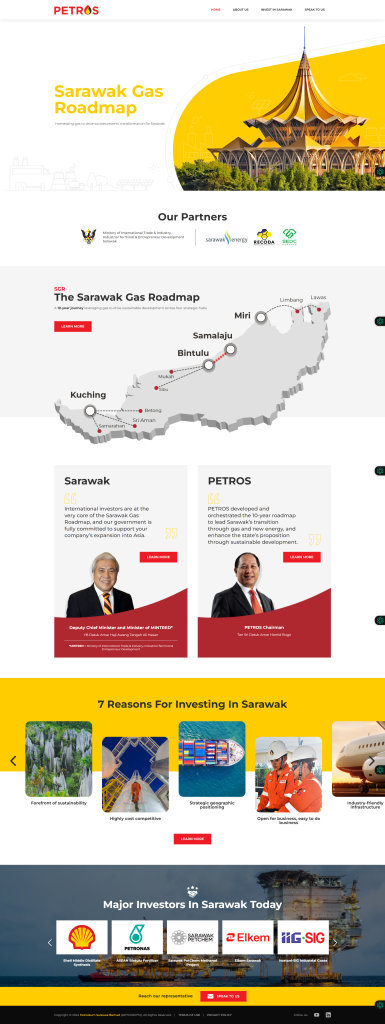
https://sgr.petroleumsarawak.com/
Dr Sim: Govt studying proposal to build railway linking Bintulu Port to Nusantara
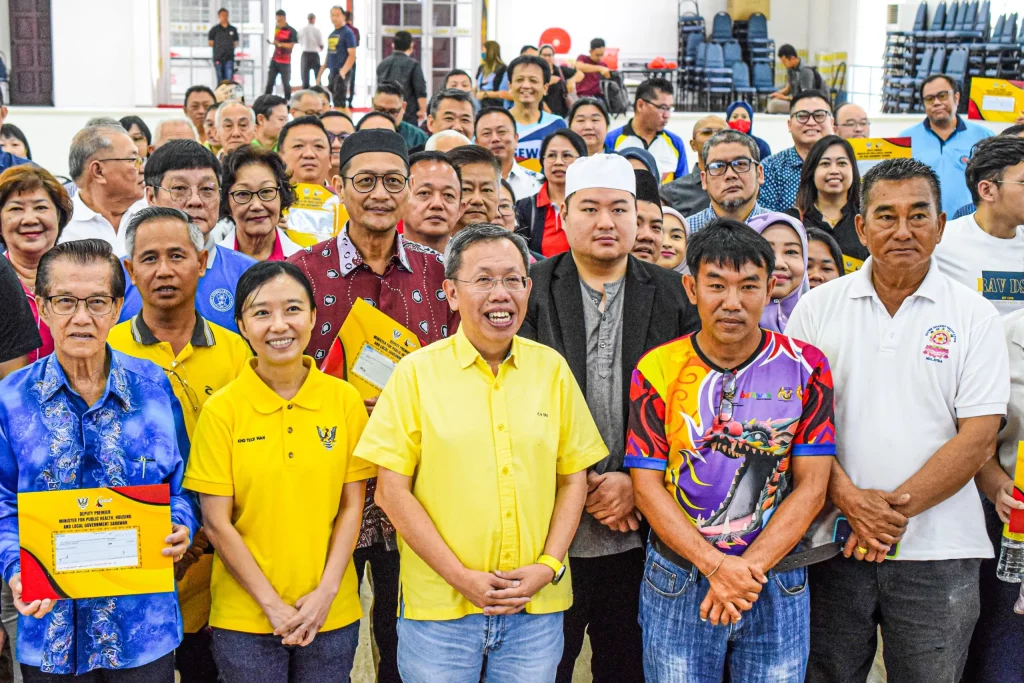
KUCHING (March 24): The government is studying a proposal to build a railway linking Bintulu Port to the new capital of Indonesia, Nusantara, said Deputy Premier Datuk Amar Dr Sim Kui Hian. He said Bintulu Port’s strategic location in Borneo could facilitate the movement of goods from Sarawak to Indonesia using a shorter travel distance compared to shipping routes. “Can you imagine if the port does not belong to us (the state government) and we want to potentially build a railway line all the way to the new capital of Indonesia?” he said during an event distributing grants to 45 non-governmental organisations (NGO) at Sarawak United Peoples’ Party (SUPP) headquarters here today. Noting that the distance between Bintulu Port and Nusantara is only a few hundred kilometres, Dr Sim said a high-speed rail from China could cover the distance within three hours compared to ships which would take around two days. On Friday, a Memorandum of Understanding (MoU) was signed between federal Transport Minister Anthony Loke and state Deputy Premier Datuk Amar Douglas Uggah Embas to the facilitate the change of status of Bintulu Port from being a federal port to a state port by this year. The MoU signing, which was witnessed by Prime Minister Datuk Seri Anwar Ibrahim and Sarawak Premier Datuk Patinggi Tan Sri Abang Johari Tun Openg, will also see the entire operation of Bintulu Port handed over to the Sarawak government by 2025. On another note, Dr Sim remarked that Sarawak has entered into a phase of nation building and the state government led by Abang Johari has taken the initiatives to take over Bintulu Port, MASwings and acquiring significant stakes in Affin Bank. He said the state government will also be providing free tertiary education at state-owned universities to about 20,000 Sarawakian students a year starting 2026 with a cost of about RM30,000 per year for each student. The deputy premier further highlighted that Sarawak aspires to achieve a gross domestic product (GDP) of RM282 billion in the next six years and the state has been counted as the fifth largest producer of gas in the world. Dr Sim also pointed out Sarawak is fast approaching towards an ageing society with the lowest birthrate in the country.